Author: sm001

  • Wiring Duct for Photovoltaic Systems: A Comprehensive Guide

      Photovoltaic systems, commonly known as solar panels, have become increasingly popular as a renewable energy source. These systems convert sunlight into electricity, providing a sustainable and environmentally friendly alternative to traditional energy sources. One crucial component of a photovoltaic system is the wiring duct, which plays a vital role in ensuring the system’s efficiency and safety. This article aims to provide a comprehensive guide to wiring ducts for photovoltaic systems, covering their importance, types, installation, and maintenance.

      **Importance of Wiring Ducts in Photovoltaic Systems**

      Wiring ducts are essential for the proper functioning of photovoltaic systems. They serve several critical functions:

      1. **Protection**: Wiring ducts protect electrical wires from external factors such as moisture, dust, and physical damage. This protection ensures the longevity and reliability of the system.

      2. **Organization**: Properly installed wiring ducts help in organizing the electrical components, making it easier to troubleshoot and maintain the system.

      3. **Safety**: Wiring ducts prevent electrical hazards by containing the wires and ensuring they are not exposed to potential risks.

      **Types of Wiring Ducts**

      There are various types of wiring ducts available for photovoltaic systems, each with its unique features and applications:

      1. **PVC Ducts**: These are the most common type of wiring ducts used in photovoltaic systems. They are made of polyvinyl chloride (PVC) and offer excellent protection against moisture and physical damage.

      2. **Aluminum Ducts**: Aluminum ducts are lightweight and provide good protection against corrosion. They are suitable for outdoor installations where exposure to harsh weather conditions is a concern.

      3. **Galvanized Steel Ducts**: These ducts are made of galvanized steel, offering high resistance to corrosion and physical damage. They are ideal for underground installations.

      4. **Flexible Ducts**: Flexible wiring ducts are suitable for installations with complex layouts and tight spaces. They are easy to install and can be bent to fit various contours.

      **Installation of Wiring Ducts**

      Proper installation of wiring ducts is crucial for the efficient and safe operation of photovoltaic systems. Here are some key steps to follow during installation:

      1. **Plan the Layout**: Before installing the wiring ducts, plan the layout of the photovoltaic system, including the placement of solar panels, inverters, and other electrical components.

      2. **Choose the Right Duct**: Select the appropriate type of wiring duct based on the system’s requirements, such as the number of wires, environmental conditions, and installation location.

      3. **Prepare the Ducts**: Cut the wiring ducts to the required length and ensure they are clean and free of any debris.

      4. **Install the Ducts**: Secure the wiring ducts to the mounting structure using appropriate fasteners. Ensure that the ducts are properly aligned and do not sag or bend excessively.

      5. **Route the Wires**: Route the electrical wires through the ducts, ensuring they are not twisted or kinked. Leave some slack in the wires to accommodate any movement or expansion.

      6. **Seal the Connections**: Seal all connections and junction boxes to prevent moisture and dust from entering the system.

      **Maintenance of Wiring Ducts**

      Regular maintenance of wiring ducts is essential to ensure the long-term performance of photovoltaic systems. Here are some maintenance tips:

      1. **Inspect the Ducts**: Regularly inspect the wiring ducts for signs of damage, such as cracks, corrosion, or loose connections.

      2. **Clean the Ducts**: Clean the ducts to remove any dust, debris, or moisture that may have accumulated over time.

      3. **Check the Connections**: Ensure that all connections and junction boxes are secure and free of corrosion.

      4. **Replace Damaged Ducts**: If any wiring ducts are damaged, replace them immediately to prevent potential hazards.

      In conclusion, wiring ducts are a crucial component of photovoltaic systems, providing protection, organization, and safety. By understanding the importance of wiring ducts, selecting the right type, and following proper installation and maintenance procedures, you can ensure the efficient and safe operation of your photovoltaic system.

    wiring duct for photovoltaic systems

  • Industrial Explosion Proof Tactical Flashlight Supplier in China: A Comprehensive Guide

      In the rapidly evolving world of industrial safety, the demand for explosion-proof equipment has surged. One of the most crucial components in such environments is the explosion-proof tactical flashlight. This article delves into the realm of industrial explosion-proof tactical flashlight suppliers in China, highlighting their significance, the products they offer, and how they cater to the diverse needs of various industries.

      **Introduction**

      The industrial sector is characterized by its challenging and often hazardous working conditions. To ensure the safety of workers and the integrity of operations, it is imperative to use equipment that meets stringent safety standards. An explosion-proof tactical flashlight is a prime example of such equipment. These flashlights are designed to operate in environments where flammable gases or vapors are present, preventing the risk of ignition and ensuring the safety of personnel.

      **The Significance of Industrial Explosion Proof Tactical Flashlight Suppliers in China**

      China has emerged as a leading manufacturer and exporter of industrial equipment, including explosion-proof tactical flashlights. The country’s robust manufacturing sector, coupled with its focus on innovation and quality, has made it a preferred destination for buyers worldwide. Here’s why industrial explosion-proof tactical flashlight suppliers in China are crucial:

      1. **Quality Assurance**: Chinese suppliers adhere to international safety standards, ensuring that their products meet the highest quality benchmarks.
    2. **Cost-Effectiveness**: China’s competitive pricing strategy makes explosion-proof tactical flashlights more affordable for businesses.
    3. **Diverse Range**: Chinese suppliers offer a wide range of explosion-proof tactical flashlights, catering to the specific needs of various industries.

      **Products Offered by Industrial Explosion Proof Tactical Flashlight Suppliers in China**

      Industrial explosion-proof tactical flashlights come in various designs and specifications. Here are some of the products offered by Chinese suppliers:

      1. **Handheld Flashlights**: These compact and portable flashlights are ideal for use in confined spaces or during emergency situations.
    2. **Mounted Flashlights**: Designed for fixed installations, these flashlights provide continuous illumination in high-risk areas.
    3. **Rechargeable Flashlights**: Environmentally friendly and cost-effective, rechargeable explosion-proof flashlights are gaining popularity.
    4. **LED Flashlights**: Known for their energy efficiency and long lifespan, LED explosion-proof flashlights are a preferred choice among many.

      **How Chinese Suppliers Cater to Diverse Needs**

      Chinese suppliers understand the diverse needs of various industries. Here’s how they cater to these needs:

      1. **Customization**: Many suppliers offer customization services, allowing customers to tailor the flashlights to their specific requirements.
    2. **After-Sales Support**: With a focus on customer satisfaction, Chinese suppliers provide comprehensive after-sales support, including maintenance and repair services.
    3. **Global Reach**: Chinese suppliers have a strong presence in international markets, making it easier for buyers to source explosion-proof tactical flashlights from them.

      **Conclusion**

      In conclusion, industrial explosion-proof tactical flashlight suppliers in China play a vital role in ensuring the safety and efficiency of operations in high-risk environments. With their commitment to quality, cost-effectiveness, and customization, these suppliers are the go-to choice for businesses worldwide. As the demand for explosion-proof equipment continues to grow, Chinese suppliers are well-positioned to meet the needs of the global market.

    industrial explosion proof tactical flashlight supplier in China

  • Mastering the 12V Relay: A Comprehensive Guide to Its Applications and Usage

      The 12V relay is a fundamental component in the world of electrical automation and control systems. As the name suggests, it is designed to handle a 12-volt electrical supply, making it a versatile choice for a wide range of applications. In this article, we will delve into the intricacies of the 12V relay, its applications, and how to use it effectively.

      **Understanding the 12V Relay**

      A relay is an electrically operated switch that uses an electromagnet to mechanically operate an electrical contact. The 12V relay, specifically, is designed to work with a 12-volt electrical system. It is composed of several key components: the coil, the contact, and the core. When the coil is energized with 12V, the electromagnet attracts the armature, which in turn closes the contacts, allowing the flow of electrical current.

      **Applications of 12V Relays**

      The 12V relay finds extensive use in various industries and everyday applications. Some common applications include:

      1. **Automotive Industry**: In cars, 12V relays are used for controlling high-current electrical components such as the alternator, headlights, and windshield wipers.
    2. **Home Automation**: They are used in smart homes to control various appliances and systems, such as security systems, lighting, and heating.
    3. **Industrial Automation**: In industrial settings, 12V relays are used to control machinery and processes, ensuring safe and efficient operations.
    4. **Consumer Electronics**: They are commonly used in devices such as microwaves, washing machines, and refrigerators to control high-power appliances.

      **Selecting the Right 12V Relay**

      When choosing a 12V relay, several factors should be considered:

      1. **Contact Rating**: The relay’s contact rating determines the maximum current it can handle. Ensure that the relay’s contact rating is suitable for the load you intend to control.
    2. **Coil Voltage**: The coil voltage should match the supply voltage of your system. In this case, it should be 12V.
    3. **Mounting Type**: Relays come in various mounting types, including through-hole, surface mount, and panel mount. Choose the one that best suits your application.
    4. **Form Factor**: The physical size and shape of the relay can affect its compatibility with your system.

      **Using a 12V Relay**

      To use a 12V relay, follow these steps:

      1. **Connect the Coil**: Connect the 12V supply to the coil terminals. Ensure that the polarity is correct.
    2. **Connect the Load**: Connect the load to the contact terminals. The normally open (NO) terminal is used when the relay is de-energized, and the normally closed (NC) terminal is used when the relay is energized.
    3. **Control the Relay**: Use a control signal to energize or de-energize the coil. When the coil is energized, the contacts will close, allowing the flow of current to the load.

      **Conclusion**

      The 12V relay is a critical component in electrical automation and control systems. Its ability to handle 12-volt electrical supplies makes it a versatile choice for a wide range of applications. By understanding its operation, selecting the right relay, and using it effectively, you can ensure safe and efficient control of your electrical systems.

    relay 12v

  • Wiring Duct for Industrial Control Cabinets: A Comprehensive Guide

      In the realm of industrial automation, the role of industrial control cabinets cannot be overstated. These cabinets house the electrical and electronic components that control and manage the machinery and processes in an industrial setting. One crucial element that ensures the smooth operation of these cabinets is the wiring duct. This article aims to provide a comprehensive guide on wiring ducts for industrial control cabinets, covering their importance, types, installation, and maintenance.

      **Introduction**

      Industrial control cabinets are the backbone of modern industrial automation systems. They house a variety of electrical and electronic components, including circuit breakers, relays, transformers, and programmable logic controllers (PLCs). These components are interconnected through a complex network of wires, cables, and conduits. The wiring duct plays a pivotal role in organizing and protecting these connections, ensuring the reliable operation of the control cabinet.

      **Importance of Wiring Ducts**

      The primary purpose of a wiring duct is to house and protect electrical wires and cables within an industrial control cabinet. Some of the key benefits of using wiring ducts include:

      1. **Organization**: Wiring ducts help in organizing the cables and wires, making it easier to trace and maintain the connections.
    2. **Protection**: The ducts protect the cables from physical damage, such as cuts, kinks, and abrasions, which can lead to short circuits and other electrical hazards.
    3. **Safety**: Properly installed wiring ducts help in preventing electrical fires and other safety hazards.
    4. **Ease of Maintenance**: With organized cables, maintenance tasks become more manageable, reducing downtime and improving productivity.

      **Types of Wiring Ducts**

      There are various types of wiring ducts available for industrial control cabinets, each with its unique features and applications. Some common types include:

      1. **Flexible Conduit**: Made from materials like PVC or rubber, flexible conduits are ideal for applications where the cables need to be moved or flexed.
    2. **Rigid Conduit**: Rigid conduits are made from materials like steel or aluminum and are suitable for applications where the cables do not require much movement.
    3. **Raceway**: Raceways are used to house multiple cables and are available in various shapes and sizes.
    4. **Cable Tray**: Cable trays are used to support and route cables across large distances, making them ideal for complex control cabinet layouts.

      **Installation of Wiring Ducts**

      Proper installation of wiring ducts is crucial for ensuring their effectiveness. Here are some key steps to follow during the installation process:

      1. **Select the Right Duct**: Choose the appropriate type of wiring duct based on the specific requirements of your application.
    2. **Plan the Layout**: Plan the layout of the wiring ducts within the control cabinet, ensuring that they are easily accessible for maintenance and troubleshooting.
    3. **Install the Ducts**: Secure the wiring ducts to the cabinet walls or floor using appropriate fasteners.
    4. **Route the Cables**: Route the cables through the ducts, ensuring that they are not twisted or kinked.
    5. **Connect the Cables**: Connect the cables to the respective components within the cabinet.

      **Maintenance of Wiring Ducts**

      Regular maintenance of wiring ducts is essential for ensuring their longevity and effectiveness. Some key maintenance tasks include:

      1. **Inspection**: Regularly inspect the ducts for signs of damage or wear.
    2. **Cleaning**: Clean the ducts to remove dust, debris, and other contaminants.
    3. **Repair or Replace**: If any damage is found, repair or replace the affected ducts promptly.

      **Conclusion**

      Wiring ducts are an essential component of industrial control cabinets, providing organization, protection, and safety to the electrical connections. By understanding the importance of wiring ducts, their types, installation, and maintenance, you can ensure the reliable operation of your industrial control cabinets and contribute to the overall efficiency of your industrial automation system.

    wiring duct for industrial control cabinets

  • ATEX IECEx Mining Tactical Flashlight China: A Comprehensive Guide

      In the realm of mining safety equipment, the ATEX IECEx mining tactical flashlight China stands out as a vital tool for professionals. This article delves into the details of this essential piece of equipment, exploring its features, benefits, and why it is a must-have for miners and rescue teams alike.

      **Introduction**

      Mining operations are inherently dangerous, with numerous risks and hazards that can threaten the lives of workers. In such environments, reliable lighting is crucial for safety and efficiency. The ATEX IECEx mining tactical flashlight China is designed to meet the stringent requirements of mining conditions, offering a robust and reliable lighting solution.

      **What is ATEX IECEx?**

      ATEX (Atmospheres Explosibles) and IECEx (International Electrotechnical Commission System for Certification to Standards Relating to Equipment for Use in Explosive Atmospheres) are certifications that ensure equipment is safe for use in explosive atmospheres. These certifications are particularly important in mining, where flammable gases and dust can create hazardous conditions. The ATEX IECEx mining tactical flashlight China is certified to both standards, guaranteeing its safety and reliability in such environments.

      **Features of the ATEX IECEx Mining Tactical Flashlight China**

      1. **Durable Construction**: The flashlight is built with high-quality materials that can withstand the harsh conditions of a mining environment. It is shockproof, dustproof, and waterproof, making it an ideal companion for miners.

      2. **Long Battery Life**: With its advanced lithium-ion battery, the flashlight provides up to 12 hours of continuous use, ensuring that miners have reliable lighting throughout their shift.

      3. **Multiple Lighting Modes**: The flashlight offers various lighting modes, including high, low, strobe, and SOS, allowing users to customize the light output to their specific needs.

      4. **Rugged Design**: The flashlight features a sturdy handle and a strong clip, making it easy to hold and attach to a helmet or belt.

      5. **Low Weight**: Despite its robust construction, the flashlight is lightweight, ensuring that miners do not have to carry excessive weight while working.

      **Benefits of Using the ATEX IECEx Mining Tactical Flashlight China**

      1. **Enhanced Safety**: The flashlight’s ATEX IECEx certification ensures that it is safe to use in explosive atmospheres, reducing the risk of accidents and injuries.

      2. **Improved Efficiency**: With its long battery life and multiple lighting modes, the flashlight helps miners work more efficiently, reducing the time spent changing batteries or searching for light sources.

      3. **Versatility**: The flashlight can be used in a variety of situations, from exploration and maintenance to emergency rescue operations.

      4. **Durability**: The flashlight’s rugged design ensures that it can withstand the rigors of mining operations, providing long-lasting performance.

      **Conclusion**

      The ATEX IECEx mining tactical flashlight China is an essential tool for miners and rescue teams operating in hazardous environments. Its robust construction, advanced features, and safety certifications make it a reliable and versatile lighting solution. By investing in this flashlight, mining operations can enhance the safety and efficiency of their workers, ultimately leading to a more productive and secure workplace.

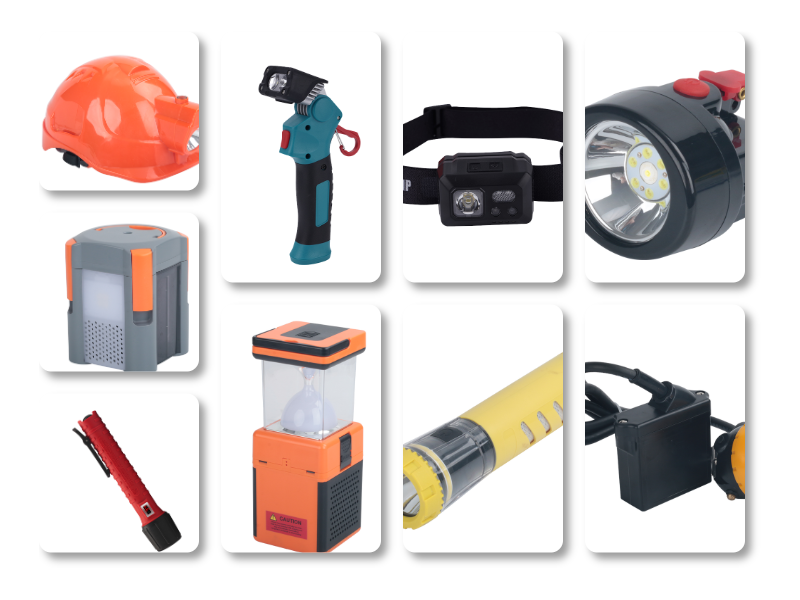
    ATEX IECEx mining tactical flashlight China

  • 12V 100A Relay: A Comprehensive Guide to High-Current Switching Solutions

      The 12V 100A relay is a crucial component in various electrical and electronic systems, especially those requiring high current switching capabilities. This article aims to provide a comprehensive guide to the 12V 100A relay, covering its features, applications, and considerations for selecting the right relay for your specific needs.

      **Introduction**

      Relays are electromechanical devices that use an electromagnet to open or close circuits. They are widely used in industrial, automotive, and consumer applications due to their ability to control high currents with low-power signals. The 12V 100A relay, as the name suggests, is designed to handle currents up to 100 amperes at 12 volts. This makes it an ideal choice for applications requiring high current switching.

      **Features of 12V 100A Relay**

      1. **High Current Rating**: The primary feature of the 12V 100A relay is its ability to handle high currents. This makes it suitable for applications such as motor control, solenoid activation, and power switching.

      2. **12V Operating Voltage**: The relay operates at 12 volts, making it compatible with a wide range of systems that use this voltage level.

      3. **Electromechanical Construction**: The relay is constructed using electromechanical components, ensuring reliable and durable performance.

      4. **Coil Resistance**: The coil resistance of the 12V 100A relay is typically around 50 ohms, which is suitable for a wide range of control circuits.

      5. **Contact Material**: The relay contacts are made of silver-plated copper, which provides excellent conductivity and durability.

      **Applications of 12V 100A Relay**

      1. **Automotive Industry**: The 12V 100A relay is widely used in the automotive industry for applications such as engine control, lighting, and power window switching.

      2. **Industrial Automation**: In industrial settings, the relay is used for controlling motors, solenoids, and other high-power devices.

      3. **Consumer Electronics**: The relay is also used in consumer electronics, such as power supplies, battery chargers, and other high-current switching applications.

      4. **Home Appliances**: The 12V 100A relay can be found in various home appliances, such as washing machines, dryers, and air conditioners.

      **Considerations for Selecting a 12V 100A Relay**

      1. **Current Rating**: Ensure that the relay’s current rating is suitable for the application’s requirements.

      2. **Voltage Rating**: The relay should operate at the required voltage level, which in this case is 12 volts.

      3. **Contact Configuration**: The relay’s contact configuration should match the application’s requirements, such as single-pole, double-throw (SPDT) or double-pole, double-throw (DPDT).

      4. **Coil Resistance**: The coil resistance should be compatible with the control circuit’s voltage and current levels.

      5. **Environmental Conditions**: Consider the relay’s operating temperature, humidity, and other environmental factors to ensure reliable performance.

      **Conclusion**

      The 12V 100A relay is a versatile and reliable component for high-current switching applications. By understanding its features, applications, and selection criteria, you can choose the right relay for your specific needs. Whether you are working on an automotive project, industrial automation, or consumer electronics, the 12V 100A relay is a valuable tool for ensuring efficient and reliable operation.

    12V 100A Relay

  • Wiring Duct for Electrical Infrastructure: A Comprehensive Guide

      The electrical infrastructure of any building is crucial for its smooth operation. One of the key components of this infrastructure is the wiring duct. This article provides a comprehensive guide to wiring ducts for electrical infrastructure, covering their importance, types, installation, and maintenance.

      **Introduction**

      Electrical infrastructure is the backbone of any modern building. It ensures that electrical power is distributed efficiently and safely to all parts of the structure. One of the most critical components of this infrastructure is the wiring duct. A wiring duct is a channel or conduit that provides a protected pathway for electrical wires and cables. It is essential for maintaining the integrity and safety of the electrical system.

      **Importance of Wiring Ducts**

      Wiring ducts play a vital role in electrical infrastructure for several reasons:

      1. **Safety**: Wiring ducts protect electrical wires and cables from external damage, such as physical impact, moisture, and heat. This reduces the risk of electrical fires and short circuits.
    2. **Ease of Installation and Maintenance**: Wiring ducts make it easier to install and maintain electrical systems. They allow for easy access to wires and cables for repairs or upgrades.
    3. **Organization**: Wiring ducts help in organizing electrical cables, reducing clutter and improving the overall aesthetics of the building.
    4. **Expandability**: Wiring ducts provide space for future additions or modifications to the electrical system.

      **Types of Wiring Ducts**

      There are various types of wiring ducts available, each with its unique features and applications:

      1. **Metallic Ducts**: These are made of materials like steel, aluminum, or copper. They are durable, fire-resistant, and provide excellent protection against external elements.
    2. **Plastic Ducts**: Plastic ducts are lightweight, easy to install, and cost-effective. They are suitable for applications where fire resistance is not a primary concern.
    3. **Flexible Ducts**: Flexible wiring ducts are ideal for areas with limited space or where frequent movement is expected. They can be bent and shaped to fit various configurations.
    4. **Conduit Bends**: These are used to change the direction of the wiring ducts, allowing for a smooth and continuous pathway for electrical cables.

      **Installation of Wiring Ducts**

      The installation of wiring ducts should be carried out by a qualified electrician. The following steps are generally involved in the installation process:

      1. **Planning**: Determine the layout of the wiring ducts, considering the electrical requirements of the building.
    2. **Selection of Material**: Choose the appropriate type of wiring duct based on the application and environmental conditions.
    3. **Cutting and Bending**: Cut the wiring ducts to the required length and bend them to fit the layout.
    4. **Fixing**: Secure the wiring ducts to the walls, ceiling, or floor using appropriate fixings.
    5. **Termination**: Connect the wiring ducts to the electrical distribution board or other termination points.

      **Maintenance of Wiring Ducts**

      Regular maintenance of wiring ducts is essential to ensure their longevity and safety. The following maintenance tasks should be performed:

      1. **Inspection**: Regularly inspect the wiring ducts for signs of damage, such as cracks, corrosion, or loose connections.
    2. **Cleaning**: Clean the wiring ducts to remove dust, debris, and other contaminants.
    3. **Repair**: Repair or replace damaged wiring ducts to prevent potential hazards.

      **Conclusion**

      Wiring ducts are an essential component of electrical infrastructure. They provide safety, ease of installation, and maintenance, and ensure the efficient distribution of electrical power. By understanding the importance, types, installation, and maintenance of wiring ducts, you can ensure the reliability and safety of your electrical system.

    wiring duct for electrical infrastructure

  • Portable Explosion Proof LED Tactical Torch Manufacturer in China: A Comprehensive Guide

      In the realm of portable explosion proof LED tactical torches, China has emerged as a leading manufacturer. This article delves into the significance of these torches, the factors to consider when choosing a manufacturer, and the top portable explosion proof LED tactical torch manufacturers in China.

      **Introduction**

      Portable explosion proof LED tactical torches are essential tools in various industries, including oil and gas, mining, and chemical processing. These torches are designed to withstand harsh environments and provide reliable illumination without the risk of sparking. With the rise of technology, LED torches have become the preferred choice due to their energy efficiency and long lifespan. China, being a manufacturing powerhouse, has numerous manufacturers specializing in these high-quality torches.

      **The Importance of Portable Explosion Proof LED Tactical Torches**

      Explosion proof torches are crucial in environments where flammable gases or vapors are present. They prevent the risk of sparks, which can ignite these substances and lead to catastrophic consequences. These torches are designed with specialized materials and technologies to ensure they do not produce any sparks or heat that could trigger an explosion.

      **Factors to Consider When Choosing a Manufacturer**

      When selecting a portable explosion proof LED tactical torch manufacturer in China, several factors should be considered:

      1. **Quality and Safety Standards**: Ensure the manufacturer adheres to international safety standards, such as IECEx, ATEX, and UL.
    2. **Product Range**: Look for a manufacturer offering a diverse range of explosion proof torches to meet various needs.
    3. **Customization Options**: Some manufacturers offer customization services, allowing you to tailor the torch to your specific requirements.
    4. **After-Sales Service**: Check the manufacturer’s reputation for providing reliable after-sales support and maintenance services.

      **Top Portable Explosion Proof LED Tactical Torch Manufacturers in China**

      1. **Huayang Lighting Co., Ltd.**
    Huayang Lighting is a renowned manufacturer of explosion proof LED torches. They offer a wide range of products, including handheld, headlamp, and helmet-mounted torches. Their products are known for their durability and high-quality materials.

      2. **Shenzhen Xindian Technology Co., Ltd.**
    Shenzhen Xindian Technology specializes in the production of explosion proof LED torches for various industries. They offer customization services and ensure their products meet the highest safety standards.

      3. **Zhejiang Jinfu Electric Co., Ltd.**
    Zhejiang Jinfu Electric is a leading manufacturer of explosion proof LED torches in China. They have a strong reputation for producing high-quality products that are reliable and durable.

      4. **Guangzhou Gaoxuan Technology Co., Ltd.**
    Guangzhou Gaoxuan Technology offers a wide range of explosion proof LED tactical torches. They prioritize safety and innovation, ensuring their products meet the latest industry standards.

      **Conclusion**

      When it comes to portable explosion proof LED tactical torches, China is a hub of quality manufacturers. By considering the factors mentioned above and selecting a reputable manufacturer like those listed, you can ensure you have a reliable and safe tool for your specific needs.

    portable explosion proof LED tactical torch manufacturer in China

  • Understanding the 220V 30A Relay: A Comprehensive Guide

      The 220V 30A relay is a crucial component in various electrical and electronic systems. This article aims to provide a comprehensive guide to understanding the 220V 30A relay, its applications, specifications, and how to choose the right one for your needs.

      **Introduction**

      Relays are electromagnetic switches that control electrical circuits using a small amount of energy. They are widely used in industrial, automotive, and consumer applications due to their reliability and versatility. The 220V 30A relay, in particular, is designed to handle high-voltage and high-current applications, making it a popular choice for many projects.

      **What is a 220V 30A Relay?**

      A 220V 30A relay is a type of relay that is designed to handle a maximum voltage of 220V and a maximum current of 30A. This means it can control circuits with up to 220V and 30A of power. The relay consists of a coil, an armature, and contacts. When the coil is energized, the armature moves, which closes or opens the contacts to control the circuit.

      **Applications of 220V 30A Relay**

      The 220V 30A relay finds applications in various fields, including:

      1. Industrial Automation: Relays are used in industrial automation systems to control motors, solenoids, and other devices.
    2. Home Appliances: Relays are used in home appliances such as washing machines, refrigerators, and air conditioners to control the power supply.
    3. Automotive: Relays are used in vehicles to control the operation of various systems such as the ignition, lighting, and air conditioning.
    4. Power Distribution: Relays are used in power distribution systems to control the flow of electricity to different parts of a building or facility.

      ** Specifications of 220V 30A Relay**

      When selecting a 220V 30A relay, it is essential to consider the following specifications:

      1. Contact Rating: The contact rating of a relay refers to the maximum current and voltage it can handle without causing damage. For a 220V 30A relay, the contact rating should be at least 30A at 220V.
    2. Coil Voltage: The coil voltage of a relay is the voltage required to energize the coil. Common coil voltages include 12V, 24V, 48V, and 220V. Ensure that the coil voltage of the relay matches the voltage supply in your application.
    3. Contact Type: There are two types of contacts in a relay: SPDT (Single Pole, Double Throw) and DPDT (Double Pole, Double Throw). The choice of contact type depends on the specific application requirements.
    4. Mounting Type: Relays can be mounted on a DIN rail, PCB, or panel. Choose the mounting type that suits your project requirements.

      **How to Choose the Right 220V 30A Relay**

      To choose the right 220V 30A relay for your application, consider the following factors:

      1. Application Requirements: Determine the specific requirements of your application, such as the voltage, current, and contact type.
    2. Environmental Conditions: Consider the environmental conditions in which the relay will be used, such as temperature, humidity, and vibration.
    3. Brand and Quality: Choose a reputable brand that offers high-quality relays with reliable performance.

      **Conclusion**

      The 220V 30A relay is a versatile and reliable component that finds applications in various fields. By understanding its specifications and applications, you can select the right relay for your needs. Always ensure that the relay meets the requirements of your application and operates within the specified parameters to ensure optimal performance and longevity.

    220V 30A Relay

  • Wiring Duct for Automotive Electrical Systems: A Comprehensive Guide

      In the ever-evolving world of automotive engineering, the importance of efficient and reliable electrical systems cannot be overstated. One of the key components that contribute to the integrity and performance of these systems is the wiring duct. This article delves into the significance of wiring ducts for automotive electrical systems, their types, installation processes, and maintenance tips.

      **Introduction**

      Automotive electrical systems are complex networks of wires, cables, and components that power various functions of a vehicle. These systems include the engine management system, lighting, ignition, air conditioning, and much more. Ensuring that these systems operate seamlessly requires the use of wiring ducts, which serve as protective enclosures for electrical wiring. In this article, we will explore the importance of wiring ducts, their types, installation procedures, and maintenance tips.

      **The Significance of Wiring Ducts in Automotive Electrical Systems**

      Wiring ducts play a crucial role in automotive electrical systems for several reasons:

      1. **Protection**: The primary function of wiring ducts is to protect electrical wires from external factors such as moisture, heat, and physical damage. This protection helps prevent short circuits and ensures the longevity of the electrical system.

      2. **Organization**: Wiring ducts help in organizing the electrical wiring, making it easier to trace and repair any issues that may arise. This organization also contributes to the overall aesthetics of the vehicle’s interior.

      3. **Heat Management**: Wiring ducts help in dissipating heat generated by the electrical components, preventing overheating and potential damage to the system.

      4. **Safety**: By protecting the electrical wires, wiring ducts contribute to the safety of the vehicle’s occupants, as they reduce the risk of electrical fires and short circuits.

      **Types of Wiring Ducts**

      There are several types of wiring ducts available for automotive electrical systems, each with its own set of advantages:

      1. **PVC Ducts**: These are the most common type of wiring ducts used in automotive applications. They are durable, flexible, and resistant to heat and chemicals.

      2. **Thermoplastic Elastomers (TPE) Ducts**: TPE ducts offer excellent flexibility and resistance to chemicals and high temperatures. They are suitable for use in harsh environments.

      3. **Aluminum Ducts**: Aluminum ducts are lightweight and offer excellent heat dissipation properties. They are ideal for use in applications where weight and heat management are critical.

      4. **Fabric Ducts**: These ducts are made of woven fabric and are suitable for use in environments where flexibility and ease of installation are essential.

      **Installation Procedures**

      Installing wiring ducts in automotive electrical systems requires careful planning and execution. The following steps outline the general process:

      1. **Design**: Plan the layout of the electrical system and identify the areas where wiring ducts are required.

      2. **Selection**: Choose the appropriate type of wiring duct based on the vehicle’s requirements and the environment in which it will be used.

      3. **Cutting**: Cut the wiring ducts to the required length and shape.

      4. **Installation**: Secure the wiring ducts in place using appropriate fasteners and ensure that they are properly sealed to prevent moisture and dust from entering.

      5. **Wiring**: Route the electrical wires through the ducts and secure them in place using cable ties or clamps.

      6. **Inspection**: Inspect the installation to ensure that all components are properly secured and that there are no loose connections.

      **Maintenance Tips**

      To ensure the longevity and performance of wiring ducts in automotive electrical systems, it is essential to follow these maintenance tips:

      1. **Regular Inspection**: Regularly inspect the wiring ducts for signs of damage or wear and tear.

      2. **Cleaning**: Clean the ducts and the area around them to prevent the accumulation of dust and debris.

      3. **Sealing**: Check for any gaps or cracks in the ducts and seal them to prevent moisture and dust from entering.

      4. **Replacement**: Replace any damaged or worn-out wiring ducts to maintain the integrity of the electrical system.

      **Conclusion**

      Wiring ducts are essential components of automotive electrical systems, providing protection, organization, and heat management. By understanding the importance of wiring ducts, their types, installation procedures, and maintenance tips, automotive engineers and technicians can ensure the reliability and performance of electrical systems in vehicles.

    wiring duct for automotive electrical systems
