Blog

  • China: The Premier Intrinsically Safe Flashlight Supplier

      In the realm of industrial safety, the role of intrinsically safe flashlights cannot be overstated. These flashlights are designed to prevent the ignition of flammable gases and vapors in hazardous environments, making them indispensable tools for workers in industries such as oil and gas, mining, and chemical processing. Among the numerous suppliers worldwide, China stands out as a premier provider of intrinsically safe flashlights. This article delves into the reasons why China is the go-to destination for such critical safety equipment.

      **The Rise of China in the Intrinsically Safe Flashlight Market**

      China has emerged as a global leader in the manufacturing and supply of intrinsically safe flashlights. This growth can be attributed to several factors:

      1. **Advanced Manufacturing Capabilities**: China boasts state-of-the-art manufacturing facilities and a skilled workforce, enabling the production of high-quality, reliable flashlights.
    2. **Cost-Effective Production**: Chinese manufacturers offer competitive pricing, making intrinsically safe flashlights affordable for businesses and end-users alike.
    3. **Innovation and Research**: China invests heavily in research and development, leading to the creation of cutting-edge technology and innovative designs in the field of intrinsically safe flashlights.

      **Why Choose a China Intrinsically Safe Flashlight Supplier?**

      There are several compelling reasons to choose a China-based supplier for your intrinsically safe flashlight needs:

      1. **Diverse Product Range**: Chinese suppliers offer a wide range of intrinsically safe flashlights, catering to different industries and applications. From compact models to heavy-duty options, there is something for everyone.
    2. **Compliance with International Standards**: Chinese manufacturers adhere to international safety standards, ensuring that their products meet the highest quality and safety requirements.
    3. **Customization Options**: Many Chinese suppliers provide customization services, allowing customers to tailor their flashlights to meet specific requirements and preferences.

      **Key Features of China Intrinsically Safe Flashlights**

      Intrinsically safe flashlights from China are known for their exceptional features:

      1. **Waterproof and Dustproof**: These flashlights are designed to withstand harsh environments, making them ideal for use in wet and dusty conditions.
    2. **Long-lasting Batteries**: Chinese manufacturers prioritize battery life, ensuring that the flashlights provide ample illumination for extended periods.
    3. **User-friendly Design**: The flashlights are easy to use, with intuitive controls and durable construction.

      **The Importance of Safety in Hazardous Environments**

      In industries where flammable gases and vapors are present, safety is paramount. An intrinsically safe flashlight can make a significant difference in preventing accidents and ensuring the well-being of workers. By choosing a China-based supplier, businesses can rest assured that they are investing in reliable and high-quality safety equipment.

      **Conclusion**

      China’s position as the premier intrinsically safe flashlight supplier is well-deserved. With advanced manufacturing capabilities, cost-effective production, and a commitment to innovation, Chinese suppliers offer exceptional value and quality. As industries continue to prioritize safety, China’s role in providing reliable and high-quality intrinsically safe flashlights will undoubtedly grow.
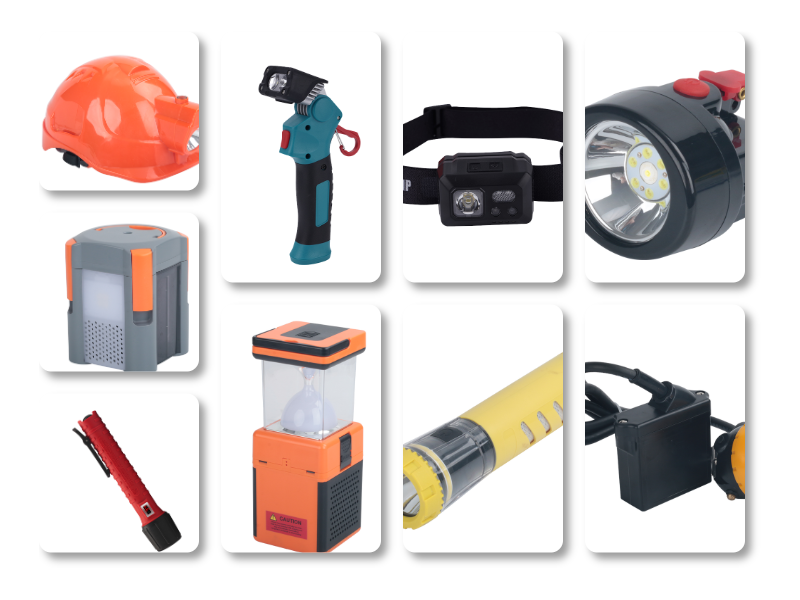

    China intrinsically safe flashlight supplier

  • The Versatile Miniature Relay: A Compact Powerhouse in Modern Electronics

      The world of electronics is a vast landscape filled with an array of components that serve different purposes. One such component that has stood the test of time and proven its worth is the miniature relay. This compact yet powerful device plays a crucial role in various applications, from automotive systems to industrial automation. In this article, we will delve into the world of miniature relays, exploring their characteristics, applications, and the reasons behind their popularity.

      **Introduction**

      A miniature relay is a type of relay that is designed to be compact and lightweight. Despite its small size, it can handle high currents and voltages, making it a versatile choice for a wide range of applications. These relays are often used in control circuits, where they act as switches to control the flow of electrical current between different circuits.

      **Characteristics of Miniature Relays**

      One of the key characteristics of miniature relays is their small size. They are typically available in various dimensions, ranging from 12mm to 35mm in width. This compact design makes them ideal for use in space-constrained environments. Additionally, miniature relays are known for their high reliability and long lifespan. They are designed to withstand harsh conditions and operate consistently over an extended period.

      Another important characteristic of miniature relays is their ability to handle high currents and voltages. This makes them suitable for applications that require a significant amount of power. For example, miniature relays are commonly used in automotive systems to control the flow of electricity to various components, such as the engine, lights, and air conditioning.

      **Applications of Miniature Relays**

      The versatility of miniature relays makes them suitable for a wide range of applications. Some of the most common uses of miniature relays include:

      1. **Automotive Systems**: Miniature relays are extensively used in automotive systems to control the flow of electricity to various components. They are used in applications such as ignition systems, lighting, and air conditioning.

      2. **Industrial Automation**: In industrial settings, miniature relays are used to control the operation of machinery and equipment. They are ideal for use in applications that require precise control and high reliability.

      3. **Consumer Electronics**: Miniature relays are also used in consumer electronics, such as televisions, refrigerators, and washing machines. They are used to control the flow of electricity to different components, ensuring that the devices operate efficiently.

      4. **Home Appliances**: These relays are used in home appliances to control the operation of various components. For example, they are used in washing machines to control the flow of water and electricity to the motor.

      **Why Are Miniature Relays Popular?**

      The popularity of miniature relays can be attributed to several factors:

      1. **Compact Size**: Their small size makes them ideal for use in space-constrained environments, where every inch counts.

      2. **High Reliability**: These relays are designed to withstand harsh conditions and operate consistently over an extended period, ensuring high reliability.

      3. **Versatility**: The ability to handle high currents and voltages makes them suitable for a wide range of applications.

      4. **Cost-Effective**: Despite their high performance, miniature relays are cost-effective, making them an attractive choice for various applications.

      **Conclusion**

      The miniature relay is a compact yet powerful device that has become an integral part of modern electronics. Its versatility, reliability, and cost-effectiveness make it a popular choice for a wide range of applications, from automotive systems to industrial automation. As technology continues to advance, the role of miniature relays is likely to grow, making them an indispensable component in the world of electronics.

    Miniature relay

  • Understanding Wiring Conduct: The Basics and Best Practices

      In the realm of electrical engineering, understanding wiring conduct is crucial for ensuring safety, efficiency, and reliability in any electrical system. This article delves into the basics of wiring conduct, its importance, and best practices for its implementation.

      **Introduction**

      Wiring conduct, also known as wire conductance, refers to the ability of a wire to carry electrical current. It is a critical factor in determining the performance and safety of electrical installations. Properly understanding and selecting the right wiring conduct can prevent electrical hazards, minimize power losses, and ensure optimal system performance.

      **The Basics of Wiring Conduct**

      Wiring conduct is primarily determined by the material, diameter, and insulation of the wire. Here’s a breakdown of each factor:

      1. **Material**: The material used in the wire significantly affects its conductance. Copper and aluminum are the most commonly used materials for wiring due to their high conductivity. Copper has better conductivity than aluminum, but it is also more expensive and heavier. Aluminum, on the other hand, is lighter and more cost-effective but has lower conductivity.

      2. **Diameter**: The diameter of the wire also plays a vital role in determining its conductance. A larger wire diameter generally offers better conductance, as it provides more space for electrical current to flow. However, larger wires are also more expensive and difficult to install.

      3. **Insulation**: Insulation is crucial for protecting the wire from external factors such as moisture, heat, and electrical interference. It also affects the wire’s overall conductance. A thicker insulation layer can reduce the wire’s conductance, so it is essential to strike a balance between insulation thickness and conductance.

      **Importance of Wiring Conduct**

      Understanding wiring conduct is essential for several reasons:

      1. **Safety**: Properly selected wiring conduct can prevent electrical hazards such as overheating, electrical fires, and electric shocks.

      2. **Efficiency**: Efficient wiring conduct minimizes power losses, ensuring that the electrical system operates at optimal performance.

      3. **Cost**: Selecting the right wiring conduct can help reduce installation and maintenance costs.

      **Best Practices for Wiring Conduct**

      To ensure the effectiveness and safety of your electrical system, here are some best practices for selecting and implementing wiring conduct:

      1. **Consult the Manufacturer’s Specifications**: Always refer to the manufacturer’s specifications for the recommended wiring conduct for your specific application.

      2. **Consider the Load and Distance**: The load and distance of the wiring determine the required conductance. Higher loads and longer distances typically require higher conductance.

      3. **Choose the Right Material**: Select the material based on the specific requirements of your application, considering factors such as cost, weight, and conductivity.

      4. **Balance Conductance and Insulation**: Ensure that the insulation thickness is adequate to protect the wire while maintaining optimal conductance.

      5. **Regular Maintenance**: Regularly inspect and maintain your wiring system to identify and address any issues that may arise.

      **Conclusion**

      Understanding wiring conduct is vital for ensuring the safety, efficiency, and reliability of any electrical system. By considering the material, diameter, and insulation of the wire, as well as following best practices for implementation, you can create a robust and effective electrical installation.

    wiring conduct

  • High Lumen Explosion Proof Flashlight Bulk Order in China: A Comprehensive Guide

      In the ever-evolving world of safety equipment, explosion-proof flashlights have become an essential tool for various industries. With the increasing demand for high-quality and reliable safety products, bulk ordering explosion-proof flashlights in China has become a popular choice. This article provides a comprehensive guide to understanding the process of placing a high lumen explosion-proof flashlight bulk order in China.

      **Introduction**

      Explosion-proof flashlights are designed to operate in environments where there is a risk of explosion due to flammable gases, vapors, or dust. These flashlights are a crucial component of personal protective equipment (PPE) for workers in industries such as oil and gas, mining, and chemical manufacturing. With the rise in demand for high lumen explosion-proof flashlights, bulk ordering has become a cost-effective and efficient solution for businesses.

      **Understanding High Lumen Explosion Proof Flashlights**

      High lumen explosion-proof flashlights are designed to emit a high level of light output, typically ranging from 500 to 1000 lumens. This high lumen output ensures that workers can see clearly in low-light or dark environments, reducing the risk of accidents and injuries. These flashlights are also equipped with advanced features such as shockproof, waterproof, and dustproof capabilities to ensure durability and reliability in harsh conditions.

      **Benefits of Bulk Ordering in China**

      Bulk ordering explosion-proof flashlights in China offers several benefits for businesses:

      1. Cost savings: Ordering in bulk allows businesses to take advantage of volume discounts, resulting in significant cost savings.
    2. Faster delivery: China has a well-developed supply chain, ensuring fast and efficient delivery of bulk orders.
    3. Quality assurance: Chinese manufacturers are known for their high-quality products, and bulk ordering ensures that businesses receive a consistent supply of reliable safety equipment.

      **How to Place a High Lumen Explosion Proof Flashlight Bulk Order in China**

      1. Research and select a reputable supplier: Begin by researching potential suppliers and evaluating their reputation, product quality, and customer service. Look for suppliers with experience in manufacturing explosion-proof flashlights and a strong track record of delivering high-quality products.

      2. Request samples: Before placing a bulk order, request samples to ensure that the flashlights meet your specific requirements. This step is crucial in verifying the quality and functionality of the products.

      3. Negotiate terms and conditions: Once you have selected a supplier, negotiate the terms and conditions of the bulk order, including pricing, delivery dates, and payment terms.

      4. Place the order: Once all terms and conditions have been agreed upon, place the bulk order with the supplier. Ensure that you provide all necessary details, such as the quantity, specifications, and delivery address.

      5. Monitor the order: Keep in touch with the supplier throughout the manufacturing and delivery process to ensure that everything is on track. This will help you identify and address any potential issues promptly.

      6. Receive and inspect the products: Upon receiving the bulk order, inspect the products to ensure they meet your expectations. If any issues arise, work with the supplier to resolve them promptly.

      **Conclusion**

      Placing a high lumen explosion-proof flashlight bulk order in China can be a cost-effective and efficient solution for businesses in need of reliable safety equipment. By following this comprehensive guide, businesses can ensure they select a reputable supplier, receive high-quality products, and achieve cost savings through bulk ordering.

    high lumen explosion proof flashlight bulk order in China

  • Revolutionizing Connectivity: The Advancements of Low-power Relays

      The world of electronics has seen a remarkable evolution over the years, with advancements in technology constantly reshaping the way we interact with our devices. One such innovation that has gained significant attention is the low-power relay. This article delves into the world of low-power relays, exploring their features, applications, and the impact they have on modern technology.

      **Introduction**

      Relays have been an integral part of electrical and electronic systems for decades, serving as switches that control the flow of current between circuits. However, traditional relays have always been power-hungry, leading to increased energy consumption and heat dissipation. The emergence of low-power relays has addressed these issues, making them a popular choice in various applications.

      **Understanding Low-power Relays**

      Low-power relays are designed to operate with minimal power consumption, making them ideal for energy-efficient systems. Unlike traditional relays, which require a significant amount of power to activate their contacts, low-power relays can function with much lower voltages and currents. This not only reduces energy consumption but also minimizes heat generation, leading to a more reliable and durable product.

      One of the key features of low-power relays is their compact size. These relays are designed to be smaller and lighter than their traditional counterparts, making them suitable for applications where space is limited. This compact design also contributes to their energy efficiency, as smaller components typically consume less power.

      **Applications of Low-power Relays**

      The versatility of low-power relays makes them suitable for a wide range of applications across various industries. Some of the most common applications include:

      1. **Automotive Industry**: Low-power relays are extensively used in automotive systems, such as engine management, airbag deployment, and lighting control. Their compact size and energy-efficient design make them ideal for these applications, where space and power consumption are critical factors.

      2. **Consumer Electronics**: In the consumer electronics sector, low-power relays are used in devices such as smartphones, laptops, and smart home systems. These relays help to manage power distribution and control functions, ensuring optimal performance and energy efficiency.

      3. **Industrial Automation**: The industrial automation industry relies on low-power relays for various applications, including machine control, process automation, and safety systems. These relays offer reliable performance and energy savings, making them an essential component in modern industrial settings.

      4. **Telecommunications**: In the telecommunications industry, low-power relays are used in network infrastructure, such as base stations and data centers. These relays help to manage power distribution and control functions, ensuring efficient and reliable network operations.

      **Advantages of Low-power Relays**

      The use of low-power relays offers several advantages over traditional relays:

      1. **Energy Efficiency**: As mentioned earlier, low-power relays consume significantly less energy, making them an ideal choice for energy-efficient systems.

      2. **Reliability**: The compact and energy-efficient design of low-power relays contributes to their reliability, ensuring consistent performance over time.

      3. **Cost-Effective**: By reducing energy consumption and heat dissipation, low-power relays can help lower the overall cost of ownership for electronic systems.

      4. **Versatility**: The wide range of applications and configurations available for low-power relays makes them a versatile choice for various industries.

      **Conclusion**

      The advancements in low-power relay technology have revolutionized the way we interact with electronic devices. Their energy-efficient design, compact size, and versatility make them an essential component in modern technology. As the world continues to move towards more sustainable and energy-efficient solutions, the role of low-power relays will undoubtedly grow, further shaping the future of electronics.

    Low-power relay

  • The Versatile and Durable PVC Wiring Duct: A Comprehensive Guide

      PVC wiring ducts have become an integral part of modern electrical installations. Known for their versatility, durability, and ease of installation, these ducts offer a wide range of benefits for both professionals and DIY enthusiasts. In this article, we will explore the various aspects of PVC wiring ducts, including their materials, applications, installation methods, and advantages over other types of wiring conduits.

      **Introduction**

      Electrical installations require careful planning and execution to ensure safety and efficiency. One of the key components of any electrical system is the wiring duct, which provides a protected pathway for electrical cables. PVC wiring ducts, made from polyvinyl chloride (PVC), have gained popularity due to their numerous advantages. In this guide, we will delve into the world of PVC wiring ducts, covering everything from their materials to their installation.

      **Materials and Construction**

      PVC wiring ducts are primarily made from polyvinyl chloride, a versatile plastic material known for its durability and resistance to chemicals and corrosion. The material is also flame-retardant, making it a safe choice for electrical installations. PVC wiring ducts come in various thicknesses and sizes, allowing them to accommodate different types of cables and applications.

      The construction of PVC wiring ducts typically involves a smooth, rigid inner wall to protect the cables from damage, and a textured outer surface to provide grip during installation. Some ducts also feature a gasketed joint to ensure a tight and secure connection between sections.

      **Applications**

      PVC wiring ducts are suitable for a wide range of applications, including residential, commercial, and industrial settings. Some common uses include:

      1. **Residential Installations**: PVC wiring ducts are commonly used in residential buildings for the installation of electrical cables in walls, floors, and ceilings. They provide a safe and protected pathway for cables, reducing the risk of damage and fire.
    2. **Commercial Installations**: In commercial buildings, PVC wiring ducts are used for the installation of electrical cables in office spaces, retail stores, and warehouses. They are ideal for accommodating the high volume of cables required in these environments.
    3. **Industrial Installations**: PVC wiring ducts are also suitable for industrial settings, where they can withstand harsh conditions and provide a durable solution for cable management.

      **Installation Methods**

      Installing PVC wiring ducts is a straightforward process that can be completed by both professionals and DIY enthusiasts. The following steps outline the basic installation process:

      1. **Plan the Route**: Before installing the duct, it is essential to plan the route carefully. This involves identifying the locations where the duct will be installed and ensuring that it can accommodate the required cable lengths.
    2. **Cut the Duct**: Once the route is planned, cut the PVC wiring duct to the desired length. Ensure that the cuts are clean and straight to avoid any damage to the cables.
    3. **Join the Sections**: If the duct needs to be extended, join the sections using appropriate connectors. Ensure that the joints are secure and tight to prevent any leaks or damage to the cables.
    4. **Route the Cables**: Insert the cables into the duct, ensuring that they are not twisted or kinked. The cables should be routed in a way that allows for easy access for maintenance and repair.
    5. **Secure the Duct**: Finally, secure the duct in place using appropriate clips or brackets. Ensure that the duct is firmly attached to the walls or ceiling to prevent any movement or damage.

      **Advantages of PVC Wiring Ducts**

      PVC wiring ducts offer several advantages over other types of wiring conduits, including:

      1. **Durability**: PVC is a durable material that can withstand harsh conditions, making it an ideal choice for both indoor and outdoor applications.
    2. **Versatility**: PVC wiring ducts come in various sizes and thicknesses, allowing them to accommodate different types of cables and applications.
    3. **Ease of Installation**: PVC wiring ducts are easy to install, making them a popular choice for both professionals and DIY enthusiasts.
    4. **Cost-Effective**: PVC wiring ducts are a cost-effective solution for cable management, offering a balance between quality and affordability.

      **Conclusion**

      PVC wiring ducts are an essential component of modern electrical installations, offering a versatile, durable, and cost-effective solution for cable management. By understanding the materials, construction, applications, and installation methods of PVC wiring ducts, you can ensure that your electrical system is safe, efficient, and reliable.

    PVC wiring duct

  • Explosion Proof Rechargeable Torch OEM China: A Game-Changer for Industrial Safety

      In the ever-evolving landscape of industrial safety, the demand for reliable and efficient lighting solutions has never been higher. This is where explosion proof rechargeable torch OEM China steps in, offering a game-changing solution for workplaces where safety is paramount. In this article, we will explore the significance of explosion proof rechargeable torches, the role of OEM China in their production, and how these torches are revolutionizing industrial safety.

      The Significance of Explosion Proof Rechargeable Torches

      Explosion proof rechargeable torches are designed to operate in environments where flammable gases, vapors, or dust may be present. These environments are often found in industries such as oil and gas, mining, and chemical processing. Traditional lighting solutions, such as open-flame torches, can pose a significant risk of ignition, leading to potentially catastrophic consequences.

      Explosion proof rechargeable torches, on the other hand, are designed to prevent the ignition of flammable materials. They are constructed with non-sparking materials and are equipped with intrinsic safety features that ensure they do not produce enough heat or energy to ignite flammable substances.

      The Role of OEM China in Explosion Proof Rechargeable Torch Production

      OEM China plays a crucial role in the production of explosion proof rechargeable torches. As one of the world’s leading manufacturing hubs, China offers a unique combination of skilled labor, advanced technology, and cost-effective production processes. This makes it an ideal location for OEMs looking to produce high-quality explosion proof rechargeable torches at competitive prices.

      Chinese OEMs have a wealth of experience in manufacturing various types of lighting equipment, including explosion proof torches. They have developed advanced manufacturing techniques and quality control processes that ensure the torches meet the strictest safety standards.

      The Benefits of Choosing an Explosion Proof Rechargeable Torch from OEM China

      There are several benefits to choosing an explosion proof rechargeable torch from an OEM in China:

      1. Cost-Effective: Chinese OEMs offer competitive pricing due to their efficient production processes and economies of scale.
    2. High-Quality: The rigorous quality control processes employed by Chinese OEMs ensure that the torches meet the highest safety standards.
    3. Customization: OEM China can provide customized solutions to meet the specific needs of your industry.
    4. Reliability: The advanced technology and materials used in the manufacturing process ensure that the torches are reliable and durable.

      How Explosion Proof Rechargeable Torches are Revolutionizing Industrial Safety

      The introduction of explosion proof rechargeable torches has had a significant impact on industrial safety. These torches have made it possible for workers to perform their tasks safely in hazardous environments, reducing the risk of accidents and improving overall workplace safety.

      In addition to providing a safe lighting solution, explosion proof rechargeable torches also offer several other benefits:

      1. Energy Efficiency: These torches are designed to be energy-efficient, reducing the need for frequent battery replacements and minimizing waste.
    2. Portability: The compact and lightweight design of explosion proof rechargeable torches makes them easy to carry and use.
    3. Longevity: The durable construction of these torches ensures they can withstand harsh conditions, providing long-lasting performance.

      Conclusion

      Explosion proof rechargeable torch OEM China is a game-changer for industrial safety. By providing cost-effective, high-quality, and customized lighting solutions, Chinese OEMs are helping to create safer workplaces around the world. As the demand for explosion proof lighting continues to grow, it is clear that explosion proof rechargeable torches will play a crucial role in ensuring the safety of workers in hazardous environments.

    explosion proof rechargeable torch OEM China

  • Understanding the Switch Relay: Its Importance and Applications

      The switch relay, a fundamental component in electrical and electronic systems, plays a crucial role in controlling the flow of electrical current. This article aims to delve into the basics of switch relays, their importance, and various applications across different industries.

      **Introduction**

      A switch relay is an electrical device that operates as an electrically controlled switch. It is designed to open or close circuits either manually or automatically, based on the control signal it receives. The switch relay has become an indispensable part of modern electrical systems, providing a reliable and efficient means of controlling electrical currents.

      **How Switch Relays Work**

      Switch relays work on the principle of electromagnetic induction. When an electrical current passes through the relay’s coil, it generates a magnetic field. This magnetic field attracts a metal armature, which in turn moves a set of contacts to either open or close the circuit. The relay can be designed to switch either AC or DC currents, depending on the application.

      **Importance of Switch Relays**

      1. **Safety**: Switch relays provide a safe means of controlling high-voltage and high-current circuits. They can isolate the operator from the circuit, reducing the risk of electrical accidents.
    2. **Efficiency**: By automating the switching process, switch relays improve the efficiency of electrical systems. They minimize energy losses and reduce the need for manual intervention.
    3. **Flexibility**: Switch relays can be used in a wide range of applications, making them a versatile component in electrical systems.

      **Applications of Switch Relays**

      1. **Industrial Automation**: Switch relays are extensively used in industrial automation systems to control machinery and processes. They are used to switch motors, solenoids, and other electrical devices, ensuring smooth and efficient operation.
    2. **Automotive Industry**: Switch relays play a vital role in the automotive industry. They are used in various applications, such as controlling the ignition system, air conditioning, and lighting.
    3. **Home Appliances**: Switch relays are also used in home appliances, such as washing machines, refrigerators, and air conditioners. They help in controlling the power supply to these devices, ensuring their safe and efficient operation.
    4. **Telecommunications**: In the telecommunications industry, switch relays are used to route calls and data packets. They help in optimizing network performance and ensuring reliable communication.
    5. **Energy Management**: Switch relays are used in energy management systems to control the flow of electricity. They help in reducing energy consumption and optimizing the use of renewable energy sources.

      **Conclusion**

      The switch relay is a vital component in electrical and electronic systems, providing a reliable and efficient means of controlling electrical currents. With its wide range of applications across different industries, the switch relay continues to be an indispensable part of modern technology. As the demand for automation and energy efficiency grows, the importance of switch relays is expected to increase further.

    Switch relay

  • The Advantages of Modular Wiring Duct: A Comprehensive Guide

      The modern world is increasingly reliant on electrical systems for both residential and commercial purposes. As such, the need for efficient and reliable wiring solutions has become more crucial than ever. One such solution that has gained popularity in recent years is the modular wiring duct. This article aims to provide a comprehensive guide to modular wiring ducts, highlighting their advantages and applications.

      **Introduction**

      Modular wiring ducts, also known as cable management systems, are designed to provide a flexible and efficient way to route and protect electrical cables. Unlike traditional wiring methods, modular wiring ducts offer several benefits that make them a preferred choice for many professionals and DIY enthusiasts. In this article, we will explore the features, advantages, and applications of modular wiring ducts.

      **What is a Modular Wiring Duct?**

      A modular wiring duct is a type of cable management system that consists of interconnected channels and covers. These channels are designed to house electrical cables, providing protection from damage and interference. The modular design allows for easy installation, reconfiguration, and expansion, making it a versatile solution for various applications.

      **Features of Modular Wiring Ducts**

      1. **Modular Design**: The key feature of modular wiring ducts is their modular design. This allows for easy installation and reconfiguration, as individual channels can be added, removed, or rearranged as needed.

      2. **Flexibility**: Modular wiring ducts come in various sizes and configurations, making them suitable for a wide range of applications. They can be used in both residential and commercial settings, including homes, offices, data centers, and industrial facilities.

      3. **Protection**: The channels in modular wiring ducts provide protection for electrical cables against physical damage, such as cuts, bends, and impacts. This helps to extend the lifespan of the cables and reduce the risk of electrical faults.

      4. **Fire Resistance**: Many modular wiring ducts are made from fire-resistant materials, such as PVC or metal, which help to prevent the spread of fire in the event of a cable malfunction.

      5. **Ease of Installation**: Modular wiring ducts are designed for easy installation, even for those without extensive electrical experience. The interlocking channels and covers make it simple to connect and secure the ducts in place.

      **Advantages of Modular Wiring Ducts**

      1. **Cost-Effective**: Modular wiring ducts are a cost-effective solution for cable management. Their easy installation and flexibility reduce the need for additional labor and materials, resulting in lower overall costs.

      2. **Time-Saving**: The modular design of wiring ducts allows for quick and efficient installation, saving time and resources. This is particularly beneficial in large-scale projects where time is of the essence.

      3. **Scalability**: Modular wiring ducts are easily scalable, making them suitable for projects that may require expansion or reconfiguration in the future.

      4. **Aesthetics**: The sleek and modern design of modular wiring ducts enhances the overall appearance of any space. They are available in various colors and finishes, allowing for customization to match the interior design.

      5. **Safety**: The protection provided by modular wiring ducts helps to prevent electrical hazards, such as exposed cables and short circuits, making them a safer choice for both residential and commercial applications.

      **Applications of Modular Wiring Ducts**

      Modular wiring ducts are suitable for a wide range of applications, including:

      1. Residential Wiring: Modular wiring ducts can be used to manage and protect electrical cables in homes, such as in walls, ceilings, and floors.

      2. Commercial Buildings: Modular wiring ducts are ideal for managing electrical cables in offices, retail spaces, and other commercial buildings.

      3. Data Centers: Modular wiring ducts provide a reliable and efficient way to manage the complex network of cables in data centers.

      4. Industrial Facilities: Modular wiring ducts are suitable for managing electrical cables in industrial settings, such as factories and warehouses.

      5. Outdoor Applications: Modular wiring ducts can be used to protect outdoor electrical cables, such as those used for street lighting or signage.

      **Conclusion**

      Modular wiring ducts offer a versatile and efficient solution for cable management in various applications. Their modular design, flexibility, and safety features make them a preferred choice for professionals and DIY enthusiasts alike. By understanding the advantages and applications of modular wiring ducts, you can make an informed decision when choosing a cable management system for your next project.

    modular wiring duct

  • Hazardous Area Tactical Flashlight Factory in China: A Beacon of Innovation and Safety

      In the heart of China, nestled among the bustling industrial zones, lies a beacon of innovation and safety – a hazardous area tactical flashlight factory. This factory, dedicated to producing high-quality flashlights for use in potentially explosive environments, plays a crucial role in ensuring the safety of workers and the efficiency of operations across various industries. In this article, we will explore the significance of this factory, its cutting-edge technology, and the impact it has on global safety standards.

      The Significance of Hazardous Area Tactical Flashlights

      Hazardous areas, such as oil refineries, chemical plants, and mines, pose unique safety challenges due to the presence of flammable gases, vapors, and dust. In these environments, even the smallest spark can lead to catastrophic consequences. That’s where hazardous area tactical flashlights come into play. These specialized flashlights are designed to emit light without generating sparks, making them an essential tool for workers in these high-risk areas.

      The factory in question has been at the forefront of producing these life-saving devices for over a decade. With a deep understanding of the unique requirements of hazardous environments, the factory has become a leading manufacturer of flashlights that meet and exceed international safety standards.

      Innovation and Technology

      What sets this hazardous area tactical flashlight factory apart is its commitment to innovation and the adoption of cutting-edge technology. The factory employs a team of skilled engineers and designers who work tirelessly to develop flashlights that are not only safe but also highly efficient and user-friendly.

      One of the key technologies used in the production of these flashlights is the solid-state lighting (SSL) technology. Unlike traditional incandescent bulbs, SSL lights produce less heat and are more energy-efficient. This not only extends the battery life of the flashlight but also reduces the risk of overheating in hazardous areas.

      Moreover, the factory has developed a unique design that allows the flashlight to be used in a variety of orientations, ensuring that workers can easily access their light source, regardless of their position or the nature of their work.

      Global Impact

      The impact of this hazardous area tactical flashlight factory extends far beyond the borders of China. As a leading manufacturer, the factory has supplied its products to industries worldwide, helping to improve safety standards and save countless lives.

      In addition to its commitment to safety, the factory also focuses on sustainability. By using environmentally friendly materials and manufacturing processes, the factory aims to minimize its carbon footprint and contribute to a greener future.

      Challenges and the Future

      Despite its success, the hazardous area tactical flashlight factory faces several challenges. One of the main challenges is the constant need to adapt to evolving safety standards and regulations. As new technologies emerge and industry practices change, the factory must stay ahead of the curve to ensure that its products remain the safest and most effective on the market.

      Another challenge is the high cost of research and development. To maintain its position as a leader in the industry, the factory must continue to invest in new technologies and innovative designs. However, this commitment to excellence has paid off, as the factory’s products are now recognized as the gold standard in hazardous area lighting.

      Looking to the future, the hazardous area tactical flashlight factory is confident that it will continue to play a crucial role in improving safety and efficiency in high-risk environments. With ongoing investments in research and development, the factory is poised to introduce even more innovative products that will shape the future of workplace safety.

      In conclusion, the hazardous area tactical flashlight factory in China is a shining example of how innovation and dedication can lead to significant advancements in safety and technology. By producing high-quality, reliable flashlights for use in hazardous areas, the factory has become a beacon of hope for workers worldwide, helping to ensure their safety and well-being.

    hazardous area tactical flashlight factory in China
