Blog

  • High Lumen Tactical Torch: A Game-Changer in China’s Chemical Plant Safety

      In recent years, the demand for high lumen tactical torches has surged, especially in the chemical industry. China, being a leading player in the global chemical market, has witnessed a significant increase in the adoption of these advanced lighting solutions in chemical plants. This article delves into the world of high lumen tactical torches, their significance in chemical plant operations, and their impact on safety and efficiency in China.

      The chemical industry is a vital sector in China’s economy, contributing substantially to the country’s industrial output. However, it is also a sector fraught with risks, primarily due to the hazardous nature of chemicals used in production processes. Ensuring safety in such environments is of paramount importance, and high lumen tactical torches have emerged as a crucial tool in this endeavor.

      High lumen tactical torches are designed to provide intense lighting in environments where traditional lighting solutions are inadequate. These torches are equipped with high-intensity LED bulbs that emit a brightness of up to 10,000 lumens, making them ideal for use in chemical plants where visibility is crucial for the safety of workers and the integrity of the production process.

      One of the key advantages of high lumen tactical torches is their portability. These torches are compact and lightweight, making them easy to carry around in large chemical plants. This feature is particularly beneficial in emergency situations, where quick response times are essential for preventing accidents and minimizing damage.

      In chemical plants, visibility is often compromised due to poor lighting or the presence of hazardous chemicals that can obstruct vision. High lumen tactical torches address this issue by providing a clear and focused beam of light, enabling workers to navigate through complex environments with ease. This is particularly important in areas such as storage tanks, processing units, and maintenance zones, where the risk of accidents is high.

      The use of high lumen tactical torches in chemical plants in China has several benefits. Firstly, they enhance the safety of workers by ensuring that they can see clearly in low-light or hazardous conditions. This reduces the likelihood of accidents, such as slips, trips, and falls, which are common in chemical plants.

      Secondly, these torches contribute to the efficiency of operations. By providing a reliable source of light, workers can carry out their tasks more effectively, leading to increased productivity. This is especially important in the chemical industry, where time is of the essence and delays can result in significant financial losses.

      Moreover, high lumen tactical torches are durable and resistant to harsh conditions, making them suitable for use in chemical plants. These torches are often waterproof, shockproof, and dustproof, ensuring that they can withstand the rigors of industrial environments.

      In China, the adoption of high lumen tactical torches in chemical plants has been driven by several factors. Firstly, there is an increasing awareness of the importance of safety in the chemical industry, both among manufacturers and regulatory bodies. This has led to stricter safety standards and the implementation of advanced technologies, such as high lumen tactical torches, to improve safety conditions.

      Secondly, the growing focus on sustainability and environmental protection in China has prompted the adoption of energy-efficient lighting solutions. High lumen tactical torches, with their long-lasting LED bulbs, are an excellent example of such solutions, as they consume less energy and have a lower environmental impact compared to traditional lighting sources.

      In conclusion, high lumen tactical torches have become an indispensable tool in the chemical industry, particularly in China. Their ability to provide intense, clear lighting in hazardous environments has significantly improved safety and efficiency in chemical plants. As the demand for these advanced lighting solutions continues to grow, it is evident that they will play a crucial role in shaping the future of chemical plant operations in China and beyond.

    high lumen tactical torch chemical plant China

  • China-Based Relay Manufacturer: Driving Innovation and Efficiency in the Global Market

      The relay industry has witnessed significant growth over the years, with China-based relay manufacturers playing a pivotal role in shaping the global market. This article delves into the world of China-based relay manufacturers, highlighting their contributions to innovation and efficiency in the industry.

      **Introduction**

      Relays are essential components in various electrical and electronic systems, serving as switches that control the flow of electrical current. With the rapid development of technology, the demand for high-quality and efficient relays has surged. China, being the world’s largest manufacturer of relays, has emerged as a key player in the global relay market. This article explores the key aspects of China-based relay manufacturers, their technological advancements, and their impact on the global market.

      **The Rise of China-Based Relay Manufacturers**

      China’s relay industry has grown exponentially over the past few decades. The country’s low labor costs, advanced manufacturing facilities, and skilled workforce have made it an attractive destination for relay manufacturing. Today, China-based relay manufacturers account for a significant share of the global relay market, with many of them exporting their products to various countries.

      **Technological Advancements**

      China-based relay manufacturers have made remarkable strides in technological innovation. They have invested heavily in research and development, resulting in the production of high-quality, reliable, and energy-efficient relays. Some of the key technological advancements include:

      1. **Miniaturization**: Relay manufacturers in China have developed compact relay designs, making them suitable for use in space-constrained applications.
    2. **High-speed Performance**: The industry has achieved significant progress in developing high-speed relays, which are essential for applications requiring rapid switching.
    3. **Energy Efficiency**: China-based relay manufacturers have focused on reducing energy consumption, resulting in eco-friendly relay products.
    4. **Customization**: The industry offers a wide range of relay products, catering to diverse customer needs and preferences.

      **Global Market Impact**

      China-based relay manufacturers have had a significant impact on the global market. Some of the key aspects include:

      1. **Competitive Pricing**: The low production costs in China have enabled relay manufacturers to offer competitive pricing, making their products more affordable for customers worldwide.
    2. **Quality Assurance**: Despite the competitive pricing, China-based relay manufacturers have maintained high-quality standards, ensuring customer satisfaction.
    3. **Diverse Product Range**: The wide range of relay products available from Chinese manufacturers has catered to the needs of various industries, including automotive, aerospace, and industrial automation.
    4. **Export Growth**: The increasing demand for relay products has led to a surge in exports, with China-based manufacturers expanding their presence in international markets.

      **Challenges and Opportunities**

      Despite the remarkable growth and success of China-based relay manufacturers, the industry faces several challenges. Some of the key challenges include:

      1. **Global Competition**: Relay manufacturers from other countries are increasingly competing with Chinese manufacturers, posing a threat to their market share.
    2. **Technological Innovation**: Continuous technological innovation is essential for China-based relay manufacturers to stay ahead of the competition.
    3. **Environmental Concerns**: The industry needs to address environmental concerns, such as reducing carbon emissions and waste generation.

      However, there are also numerous opportunities for China-based relay manufacturers. Some of the key opportunities include:

      1. **Emerging Markets**: The growing demand for relay products in emerging markets presents a significant opportunity for China-based manufacturers.
    2. **Collaboration with Global Brands**: Collaborating with global brands can help China-based relay manufacturers gain access to new markets and technologies.
    3. **Investment in Research and Development**: Investing in research and development can lead to the development of new products and technologies, further enhancing the competitiveness of Chinese relay manufacturers.

      **Conclusion**

      China-based relay manufacturers have played a crucial role in driving innovation and efficiency in the global relay market. With their technological advancements, competitive pricing, and diverse product range, they have become a key player in the industry. As the relay industry continues to grow, China-based relay manufacturers are well-positioned to capitalize on the opportunities and challenges ahead.

    China-Based Relay Manufacturer

  • Wiring Duct for Smart Factory Automation: The Backbone of Modern Manufacturing

      In the rapidly evolving landscape of modern manufacturing, the integration of smart factory automation has become a necessity for businesses aiming to enhance efficiency, reduce costs, and stay competitive. One of the critical components that facilitate this transformation is the wiring duct for smart factory automation. This article delves into the importance of wiring ducts in smart factory automation, their types, and how they contribute to the seamless operation of modern manufacturing facilities.

      **Introduction**

      The advent of smart factory automation has revolutionized the manufacturing industry, enabling companies to achieve unprecedented levels of productivity and precision. At the heart of this transformation lies the intricate network of electrical systems that power and control the various machines and processes. Wiring ducts play a pivotal role in this network, ensuring that the electrical connections are secure, organized, and adaptable to the dynamic needs of a smart factory.

      **The Importance of Wiring Ducts in Smart Factory Automation**

      1. **Enhanced Safety**: One of the primary concerns in any manufacturing environment is safety. Wiring ducts provide a secure and organized pathway for electrical cables, reducing the risk of accidents caused by exposed wires. This is particularly crucial in environments where machinery operates at high speeds and temperatures.

      2. **Improved Efficiency**: A well-designed wiring duct system ensures that electrical connections are easily accessible, allowing for quick maintenance and troubleshooting. This minimizes downtime and enhances overall efficiency in the manufacturing process.

      3. **Scalability**: As manufacturing processes evolve, the need for additional electrical connections may arise. Wiring ducts offer a scalable solution, allowing for easy expansion and modification of the electrical system without disrupting the entire operation.

      4. **Cost-Effectiveness**: Although the initial investment in wiring ducts may be significant, the long-term benefits outweigh the costs. By reducing downtime, improving safety, and enhancing efficiency, wiring ducts contribute to cost savings in the long run.

      **Types of Wiring Ducts for Smart Factory Automation**

      1. **Flexible Wiring Ducts**: These ducts are designed for environments where the machinery moves or vibrates. They provide flexibility and durability, ensuring that the electrical connections remain intact even under harsh conditions.

      2. **Rigid Wiring Ducts**: Rigid wiring ducts are ideal for fixed installations where the machinery does not move. They offer excellent protection for electrical cables and are suitable for high-temperature environments.

      3. **Modular Wiring Ducts**: Modular wiring ducts are a versatile option that combines the benefits of both flexible and rigid ducts. They can be easily assembled and disassembled, making them ideal for environments where the layout may change frequently.

      4. **Fire-Retardant Wiring Ducts**: In manufacturing facilities where fire hazards are a concern, fire-retardant wiring ducts are essential. These ducts are designed to prevent the spread of fire, ensuring the safety of the workers and the equipment.

      **Conclusion**

      Wiring ducts for smart factory automation are an indispensable component of modern manufacturing facilities. By providing a secure, efficient, and scalable solution for electrical connections, they contribute significantly to the success of smart factory automation initiatives. As the manufacturing industry continues to evolve, investing in high-quality wiring ducts will be crucial for businesses aiming to stay ahead of the curve and achieve sustainable growth.

    wiring duct for smart factory automation

  • China Explosion Proof LED Tactical Flashlight Exporter: A Leading Provider of Safe Lighting Solutions

      In the modern era, safety and reliability are paramount, especially in environments where the risk of explosion is a constant concern. This is where China explosion proof LED tactical flashlight exporter steps in, offering a comprehensive range of explosion-proof lighting solutions that prioritize safety and performance. This article delves into the role of China as a leading exporter of explosion-proof LED tactical flashlights, highlighting the key features and benefits of these innovative products.

      **Introduction**

      The demand for explosion-proof lighting solutions has been on the rise, particularly in industries such as oil and gas, mining, and chemical processing. These environments pose significant risks, and any electrical equipment must be designed to prevent the ignition of flammable gases or dust. China, with its robust manufacturing sector and commitment to innovation, has emerged as a leading exporter of explosion-proof LED tactical flashlights. This article explores the reasons behind China’s dominance in this niche market and the advantages of choosing a China explosion proof LED tactical flashlight exporter.

      **The Importance of Explosion-Proof Lighting**

      Explosion-proof lighting is crucial in environments where the risk of an explosion is high. Traditional incandescent bulbs and other non-explosion-proof lighting solutions can pose a significant risk, as they generate heat and sparks that can ignite flammable substances. LED tactical flashlights, on the other hand, are designed to minimize these risks, making them an ideal choice for use in hazardous areas.

      **China’s Role as a Leading Exporter**

      China has become a leading exporter of explosion-proof LED tactical flashlights due to several factors:

      1. **Advanced Manufacturing Capabilities**: China boasts state-of-the-art manufacturing facilities and a skilled workforce, enabling it to produce high-quality explosion-proof lighting solutions at competitive prices.
    2. **Innovation and Research**: The Chinese government and private sector have invested heavily in research and development, leading to the creation of cutting-edge explosion-proof LED technology.
    3. **Diverse Product Range**: China explosion proof LED tactical flashlight exporters offer a wide range of products, catering to the diverse needs of various industries.

      **Key Features of Explosion-Proof LED Tactical Flashlights**

      Explosion-proof LED tactical flashlights are designed with several key features that make them ideal for use in hazardous environments:

      1. **Innovative Design**: These flashlights are designed to be compact, lightweight, and durable, making them easy to carry and use in tight spaces.
    2. **Long-lasting LED Technology**: LED bulbs are known for their long lifespan and energy efficiency, making them a cost-effective choice for businesses.
    3. **Multiple Lighting Modes**: Many explosion-proof LED tactical flashlights come with multiple lighting modes, including high, low, and strobe, allowing users to adjust the light output according to their needs.
    4. **Certified Safety**: These flashlights are certified to meet international safety standards, ensuring that they are safe to use in hazardous areas.

      **Benefits of Choosing a China Explosion Proof LED Tactical Flashlight Exporter**

      There are several benefits to choosing a China explosion proof LED tactical flashlight exporter:

      1. **Competitive Pricing**: Chinese manufacturers can produce high-quality products at competitive prices, allowing businesses to save on costs.
    2. **Reliable Quality**: China explosion proof LED tactical flashlight exporters are committed to producing reliable and durable products that meet international safety standards.
    3. **Extensive Product Range**: With a wide range of explosion-proof lighting solutions available, businesses can find the perfect product to meet their specific needs.

      **Conclusion**

      In conclusion, China explosion proof LED tactical flashlight exporter plays a crucial role in providing safe and reliable lighting solutions for industries operating in hazardous environments. With advanced manufacturing capabilities, innovative technology, and a diverse product range, China has established itself as a leading exporter in this niche market. By choosing a China explosion proof LED tactical flashlight exporter, businesses can ensure the safety of their employees and equipment, while also enjoying the benefits of cost-effective and high-quality lighting solutions.

    China explosion proof LED tactical flashlight exporter

  • The Evolution and Importance of Relay Manufacturing

      Relay manufacturing has been a cornerstone of electrical engineering for over a century. As a critical component in various electrical systems, relays play a vital role in controlling, protecting, and automating processes. This article delves into the evolution of relay manufacturing, its significance in modern technology, and the challenges faced in the industry.

      The History of Relay Manufacturing

      The concept of the relay dates back to the early 19th century when Sir Charles Wheatstone and Sir William Fothergill Cooke developed the first electrical telegraph. This pioneering invention laid the foundation for relay technology. Over the years, relays have evolved from simple on/off switches to sophisticated devices capable of handling complex signals and functions.

      The early relays were mechanical devices that used physical contacts to switch circuits. These contacts were made of materials like silver or gold, which could withstand the electrical current and maintain a reliable connection. As technology advanced, relays became more compact and efficient, with improved materials and designs.

      The Significance of Relay Manufacturing

      Relays are essential components in numerous applications across various industries. Here are some key areas where relay manufacturing plays a crucial role:

      1. Automation: In modern manufacturing, automation is key to increasing efficiency and reducing costs. Relays are used in control systems to automate processes, ensuring precise and reliable operation.

      2. Power Distribution: Relays are used in power distribution systems to control and protect electrical circuits. They help prevent damage to equipment and ensure the safe and efficient transfer of electricity.

      3. Telecommunications: The telecommunications industry relies heavily on relays for signal routing and switching. Relays enable the transmission of voice, data, and video signals over long distances.

      4. Automotive: In the automotive sector, relays are used for various functions, including engine control, lighting, and safety systems. They ensure the reliable operation of critical components.

      Challenges in Relay Manufacturing

      Despite the advancements in relay technology, the industry faces several challenges:

      1. miniaturization: As devices become smaller and more powerful, the demand for compact relays increases. This requires manufacturers to develop new materials and designs that can withstand high currents and voltages in a limited space.

      2. Reliability: Relays must operate reliably in harsh environments, such as high temperatures, humidity, and vibration. Ensuring long-term performance and durability is a significant challenge for relay manufacturers.

      3. Cost: The cost of raw materials and manufacturing processes can fluctuate significantly, impacting the overall cost of relay production. Finding cost-effective solutions without compromising quality is a constant challenge.

      The Future of Relay Manufacturing

      The future of relay manufacturing looks promising, with ongoing advancements in materials, design, and technology. Some emerging trends include:

      1. Smart Relays: The integration of microcontrollers and sensors into relays enables them to collect and transmit data, making them smarter and more adaptable to changing conditions.

      2. Solid-State Relays: Solid-state relays (SSRs) offer several advantages over traditional mechanical relays, such as faster switching times, lower power consumption, and longer lifespan. As technology continues to advance, SSRs are expected to become more prevalent.

      3. Customization: As the demand for specialized applications grows, relay manufacturers are focusing on customization to meet the unique requirements of different industries.

      In conclusion, relay manufacturing has come a long way since its inception. As a critical component in various electrical systems, relays continue to evolve, offering new opportunities and challenges. The industry’s future looks promising, with ongoing advancements and innovations shaping the next generation of relay technology.

    Relay manufacturing

  • Wiring Duct for Rail Transit: A Comprehensive Guide

      The construction of rail transit systems is a complex and intricate process that requires meticulous planning and execution. One of the critical components of these systems is the wiring duct, which plays a vital role in ensuring the smooth operation of trains and the safety of passengers. This article aims to provide a comprehensive guide to wiring ducts for rail transit, covering their importance, types, installation, and maintenance.

      **Introduction**

      Rail transit systems, including subways, light rail, and high-speed trains, are essential for modern urban transportation. These systems rely on a sophisticated network of electrical components to function efficiently. The wiring duct is a crucial element in this network, providing a protected pathway for electrical cables and ensuring the reliable transmission of power and data.

      **Importance of Wiring Ducts**

      Wiring ducts serve several critical functions in rail transit systems:

      1. **Protection**: The primary role of wiring ducts is to protect electrical cables from external factors such as moisture, dust, and physical damage. This protection ensures the longevity and reliability of the cables.

      2. **Organization**: Wiring ducts help organize the electrical cables, making it easier to install, maintain, and troubleshoot the system.

      3. **Safety**: By providing a secure pathway for electrical cables, wiring ducts help prevent accidents and ensure the safety of passengers and maintenance personnel.

      **Types of Wiring Ducts**

      There are various types of wiring ducts used in rail transit systems, each with its unique features and applications:

      1. **Conduit**: Conduits are rigid, cylindrical pipes made of materials such as steel, plastic, or concrete. They are suitable for high-voltage applications and can withstand harsh environmental conditions.

      2. **Flexduct**: Flexducts are flexible, corrugated pipes made of materials such as steel or plastic. They are ideal for areas with limited space and can be easily installed and modified.

      3. **Raceway**: Raceways are flat, rectangular channels designed to accommodate multiple cables. They are commonly used in control panels and switchboards.

      4. **Tray**: Trays are flat, open-top structures made of materials such as steel or aluminum. They are suitable for low-voltage applications and provide easy access to cables.

      **Installation of Wiring Ducts**

      The installation of wiring ducts in rail transit systems requires careful planning and execution. The following steps are typically involved:

      1. **Design**: The design of the wiring duct system should consider factors such as cable types, lengths, and routing. It should also ensure compliance with relevant safety and regulatory standards.

      2. **Material Selection**: The choice of material for the wiring duct should be based on factors such as environmental conditions, cable types, and budget.

      3. **Installation**: Wiring ducts can be installed using various methods, including bolting, clamping, and welding. The installation process should be carried out by qualified personnel.

      4. **Testing**: After installation, the wiring duct system should be tested to ensure its functionality and compliance with safety standards.

      **Maintenance of Wiring Ducts**

      Regular maintenance of wiring ducts is essential to ensure the continued operation of rail transit systems. The following maintenance tasks should be performed:

      1. **Inspection**: Regular inspections should be conducted to identify any signs of damage or wear in the wiring ducts.

      2. **Cleaning**: Wiring ducts should be cleaned periodically to remove dust, debris, and other contaminants.

      3. **Repair and Replacement**: Any damaged or worn-out wiring ducts should be repaired or replaced promptly to prevent system failures.

      **Conclusion**

      Wiring ducts are a critical component of rail transit systems, providing protection, organization, and safety for electrical cables. By understanding the importance, types, installation, and maintenance of wiring ducts, engineers and maintenance personnel can ensure the reliable and efficient operation of rail transit systems.

    wiring duct for rail transit

  • Intrinsically Safe Emergency Work Light Bulk China: A Reliable Solution for Safety and Efficiency

      In today’s fast-paced industrial world, safety and efficiency are paramount. One crucial element that plays a vital role in ensuring both is the use of intrinsically safe emergency work lights. When it comes to purchasing these essential lighting solutions in bulk, China stands out as a leading supplier. This article delves into the importance of intrinsically safe emergency work lights, the advantages of buying them in bulk from China, and how they contribute to safety and efficiency in various industries.

      **The Significance of Intrinsically Safe Emergency Work Lights**

      Intrinsically safe emergency work lights are designed to operate in environments where flammable gases, vapors, or dust may be present. These lights are engineered to prevent the generation of sparks or heat that could ignite a fire or explosion. This makes them an essential tool in industries such as oil and gas, mining, and chemical processing.

      The primary purpose of these lights is to provide illumination during emergencies, such as power outages or equipment failures. By ensuring that workers can see clearly in hazardous environments, intrinsically safe emergency work lights help prevent accidents and injuries.

      **Advantages of Buying Intrinsically Safe Emergency Work Lights in Bulk from China**

      1. **Cost-Effective**: Purchasing intrinsically safe emergency work lights in bulk from China offers significant cost savings. Chinese manufacturers are known for their competitive pricing and efficient production processes, allowing buyers to get high-quality products at a lower cost.

      2. **Wide Range of Options**: China boasts a vast selection of intrinsically safe emergency work lights, catering to various needs and preferences. From portable to fixed-mounted options, buyers can find the perfect fit for their specific requirements.

      3. **Quality Assurance**: Chinese manufacturers adhere to stringent quality control standards, ensuring that the emergency work lights they produce meet international safety regulations. This gives buyers peace of mind, knowing that they are investing in reliable and durable products.

      4. **Efficient Supply Chain**: China’s well-established supply chain allows for quick and efficient delivery of bulk orders. This is particularly beneficial for businesses that require immediate access to emergency lighting solutions.

      **How Intrinsically Safe Emergency Work Lights Contribute to Safety and Efficiency**

      1. **Reduced Risk of Accidents**: By providing adequate illumination in hazardous environments, intrinsically safe emergency work lights help reduce the risk of accidents. Workers can see clearly, allowing them to perform their tasks safely and efficiently.

      2. **Enhanced Productivity**: When workers are not constantly worried about their safety, they can focus on their tasks. This leads to increased productivity and improved overall performance.

      3. **Compliance with Regulations**: Using intrinsically safe emergency work lights ensures that businesses comply with industry regulations and standards. This helps avoid potential fines and legal issues.

      4. **Long-Term Cost Savings**: Although the initial investment in intrinsically safe emergency work lights may be high, the long-term cost savings are significant. These lights are designed to last for years, reducing the need for frequent replacements.

      In conclusion, intrinsically safe emergency work lights are an essential component of safety and efficiency in various industries. Buying them in bulk from China offers numerous advantages, including cost savings, a wide range of options, and quality assurance. By investing in these reliable lighting solutions, businesses can create a safer work environment and improve their overall productivity.

    intrinsically safe emergency work light bulk China

  • The Comprehensive Guide to Relay Suppliers: What You Need to Know

      In the world of electronics, relays play a crucial role in controlling the flow of electricity. As a result, the selection of reliable relay suppliers is essential for any project or business. This comprehensive guide will provide you with all the information you need to know about relay suppliers, including their types, how to choose the right one, and the benefits of working with them.

      **Understanding Relays and Their Importance**

      Before diving into relay suppliers, it’s essential to understand what relays are and why they are so important. A relay is an electrically operated switch that controls a circuit by opening and closing contacts. They are used in various applications, such as home automation, industrial control systems, and automotive electronics. Relays allow for the control of high-power circuits with low-power signals, making them a versatile component in many electronic systems.

      **Types of Relay Suppliers**

      There are several types of relay suppliers, each offering different products and services. Here are some of the most common types:

      1. **Original Equipment Manufacturers (OEMs)**: These suppliers produce relays in large quantities for specific applications. They often work closely with customers to develop custom solutions.

      2. **Distributors**: Distributors purchase relays from OEMs and resell them to end-users. They offer a wide range of products and often provide additional services such as technical support and inventory management.

      3. **Wholesalers**: Wholesalers buy relays in bulk and sell them to other businesses. They typically offer competitive pricing and large order quantities.

      4. **Online Marketplaces**: Online marketplaces like Alibaba and eBay offer a vast selection of relays from various suppliers. These platforms are convenient but may lack the personalized service and quality assurance of other suppliers.

      **How to Choose the Right Relay Supplier**

      Selecting the right relay supplier is crucial for the success of your project. Here are some factors to consider when choosing a supplier:

      1. **Quality**: Ensure the supplier offers high-quality relays that meet your specific requirements. Look for certifications such as ISO 9001, which guarantees quality management.

      2. **Product Range**: Choose a supplier that offers a wide range of relay types and specifications to meet your diverse needs.

      3. **Price**: Compare prices from different suppliers to ensure you’re getting the best deal. However, don’t compromise quality for price.

      4. **Customer Service**: A reliable supplier should offer excellent customer service, including technical support, order tracking, and after-sales service.

      5. **Lead Time**: Consider the supplier’s lead time, as delays can impact your project timeline.

      **Benefits of Working with Relay Suppliers**

      Working with relay suppliers offers several benefits, including:

      1. **Access to a Wide Range of Products**: Suppliers typically offer a vast selection of relay types and specifications, making it easier to find the right component for your project.

      2. **Expertise**: Suppliers have extensive knowledge of relays and can provide valuable insights and recommendations.

      3. **Cost-Effective Solutions**: Suppliers often offer competitive pricing and bulk discounts, helping you save money on your project.

      4. **Time-Saving**: By working with a supplier, you can save time on sourcing, purchasing, and managing relay components.

      5. **Reliability**: Reliable suppliers ensure that you receive high-quality products consistently, reducing the risk of project delays and failures.

      **Conclusion**

      In conclusion, choosing the right relay supplier is crucial for the success of your electronic project. By understanding the different types of suppliers, considering key factors such as quality, product range, and customer service, and recognizing the benefits of working with suppliers, you can make an informed decision. Remember to research and compare different suppliers to find the one that best meets your needs.

    Relay suppliers

  • Maximizing Efficiency with Wiring Ducts for Power Distribution Panels

      In the modern world, electrical power distribution plays a critical role in the operation of residential, commercial, and industrial buildings. The effectiveness of this distribution is largely dependent on the proper installation and design of power distribution panels and the wiring ducts that connect them. This article explores the importance of wiring ducts for power distribution panels, their various types, and how they contribute to maximizing efficiency and safety in electrical systems.

      **Introduction**

      Wiring ducts for power distribution panels are essential components that facilitate the flow of electrical wires from the panel to the various points of use. These ducts are designed to protect cables from damage, provide a clean and organized installation, and ensure that electrical currents are distributed efficiently. The choice of wiring ducts can significantly impact the performance, maintenance, and longevity of the electrical system.

      **Types of Wiring Ducts**

      1. **Conduit:** The most common type of wiring duct is conduit. Made from materials like PVC, steel, or aluminum, conduits are rigid and provide excellent protection for cables. They come in various sizes and shapes, including round, square, and rectangular, to accommodate different installation requirements.

      2. **Flex Duct:** Flex ducts are flexible, making them ideal for installations where conduits are difficult to maneuver. Made from materials like rubber or vinyl, these ducts can be easily bent and shaped to fit tight spaces.

      3. **Rigid Metal Conduit (RMC):** RMC is a type of conduit made from galvanized steel. It is known for its durability and ability to withstand high temperatures, making it suitable for harsh environments.

      4. **Flexible Metal Conduit (FMC):** Similar to RMC, FMC is made from steel but is more flexible and easier to install. It is commonly used in residential and commercial buildings.

      5. **Armored Cable:** Armored cable is a type of wiring that combines electrical conductors with a protective metallic sheath. It is often used for outdoor applications or in areas where additional protection is required.

      **Benefits of Using Wiring Ducts**

      1. **Protection:** The primary function of wiring ducts is to protect electrical cables from physical damage, which can lead to electrical shorts, fires, or other hazards.

      2. **Organization:** Wiring ducts help in maintaining a clean and organized installation, which makes it easier to troubleshoot and maintain the electrical system.

      3. **Safety:** Properly installed wiring ducts contribute to the overall safety of the building by reducing the risk of electrical hazards.

      4. **Ease of Maintenance:** With well-organized wiring ducts, maintenance tasks become more manageable. This is especially important in large buildings where multiple electrical systems are in use.

      5. **Expandability:** Wiring ducts allow for future expansions or modifications to the electrical system without the need for extensive re-wiring.

      **Conclusion**

      In conclusion, wiring ducts for power distribution panels are vital components that ensure the efficient and safe operation of electrical systems. By understanding the different types of wiring ducts and their benefits, you can make informed decisions when planning and installing electrical systems. Investing in quality wiring ducts will not only enhance the performance of your electrical system but also provide long-term savings on maintenance and repair costs.

    wiring duct for power distribution panels

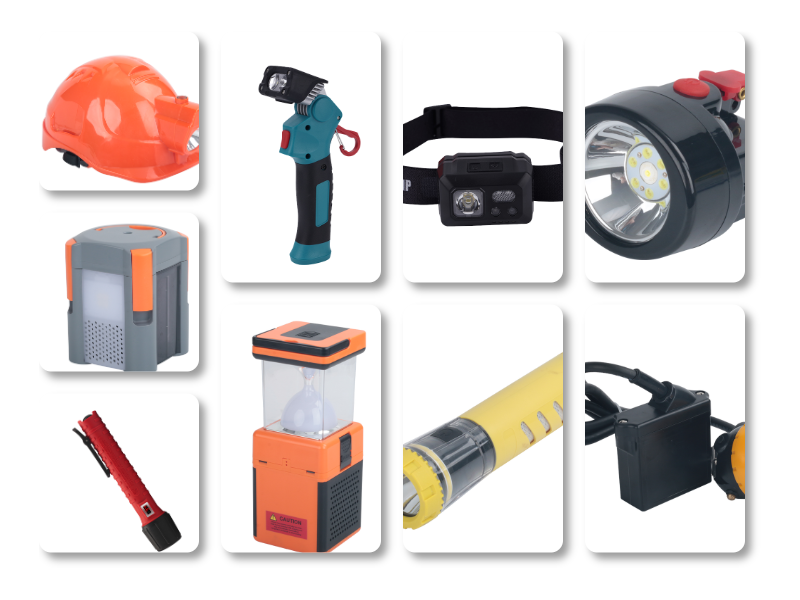
  • Hazardous Area Portable Tactical Lighting Wholesale in China: A Comprehensive Guide

      In the bustling market of China, the demand for hazardous area portable tactical lighting has been on the rise. This article aims to provide a comprehensive guide to understanding the wholesale market for hazardous area portable tactical lighting in China, highlighting key aspects, benefits, and considerations for buyers.

      **Introduction**

      Hazardous area portable tactical lighting refers to lighting equipment designed for use in environments where flammable gases, vapors, or combustible dusts are present. These areas are often found in industries such as oil and gas, chemical processing, and mining. The need for reliable and safe lighting solutions in these environments is paramount to ensure the safety of workers and the integrity of operations.

      **Market Overview**

      The hazardous area portable tactical lighting market in China has seen significant growth due to the increasing number of industries that require such lighting solutions. The market is driven by stringent safety regulations, the rise in industrial activities, and the growing awareness of workplace safety.

      **Benefits of Wholesale Purchase**

      Buying hazardous area portable tactical lighting in bulk from China offers several advantages:

      1. **Cost-Effective**: Wholesale purchases often result in lower unit costs due to bulk discounts.
    2. **Variety**: China’s market offers a wide range of options, including different sizes, types, and features, catering to various needs.
    3. **Quality**: Chinese manufacturers are known for their high-quality products, ensuring durability and reliability.
    4. **Customization**: Many suppliers offer customization services, allowing buyers to tailor the lighting equipment to their specific requirements.

      **Key Aspects to Consider**

      When purchasing hazardous area portable tactical lighting wholesale in China, there are several key aspects to consider:

      1. **Regulatory Compliance**: Ensure that the lighting equipment complies with relevant safety standards and regulations.
    2. **Quality Assurance**: Verify the quality of the products through certifications, inspections, and samples.
    3. **Supplier Reputation**: Research the reputation and credibility of the supplier to ensure a reliable transaction.
    4. **Shipping and Logistics**: Consider the shipping costs, delivery times, and logistics arrangements.

      **Popular Brands and Manufacturers**

      Several Chinese brands and manufacturers have gained recognition in the hazardous area portable tactical lighting market. Some of the notable names include:

      1. **Shenzhen Xinda Lighting Co., Ltd.**
    2. **Guangzhou Tiantai Lighting Co., Ltd.**
    3. **Wenzhou Xinyu Lighting Co., Ltd.**

      **Conclusion**

      In conclusion, the hazardous area portable tactical lighting wholesale market in China offers numerous opportunities for buyers seeking reliable and cost-effective solutions. By considering the key aspects and choosing reputable suppliers, buyers can ensure a safe and efficient lighting solution for their specific needs. As the market continues to grow, it is crucial for buyers to stay informed and make well-informed decisions.

    hazardous area portable tactical lighting wholesale in China