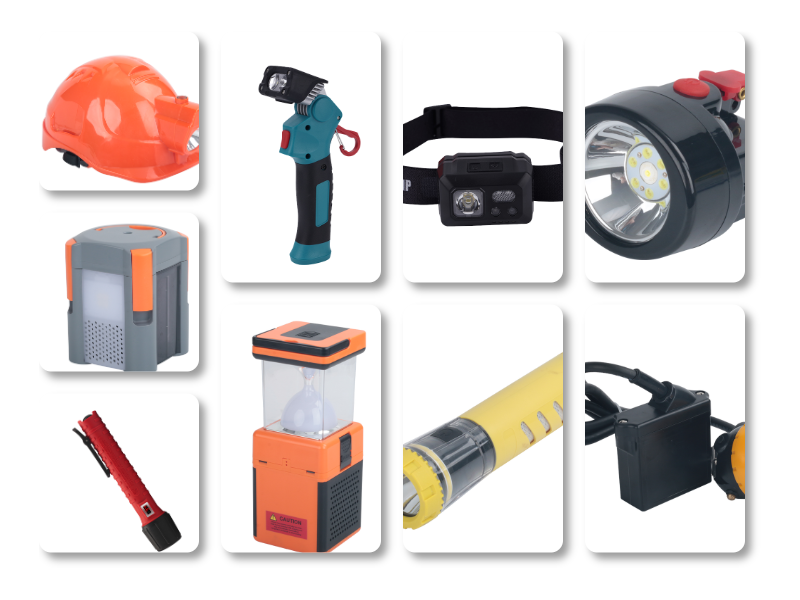
In the rapidly evolving landscape of industrial technology, the integration of explosion-proof tactical LED lighting has emerged as a game-changer. This innovative solution, particularly prominent in China, is not just reshaping the industrial sector but also setting new benchmarks for safety and efficiency. This article delves into the world of industrial explosion-proof tactical LED lighting in China, exploring its significance, applications, and the technological advancements that have made it a cornerstone of modern industry.
**The Significance of Explosion-Proof Tactical LED Lighting**
The primary purpose of explosion-proof lighting is to ensure safety in environments where flammable gases, vapors, or dust may be present. In China, where the industrial sector is a vital component of the economy, the demand for such lighting solutions has surged. The integration of tactical LED technology has further enhanced the capabilities of explosion-proof lighting, making it more efficient, durable, and versatile.
**Technological Advancements in China**
China has been at the forefront of technological advancements in the field of explosion-proof tactical LED lighting. The country’s robust industrial base, coupled with a focus on innovation, has led to the development of cutting-edge solutions. Key technological advancements include:
1. **Enhanced Durability**: The use of high-quality materials and robust construction ensures that explosion-proof tactical LED lighting can withstand harsh industrial conditions, including extreme temperatures and vibrations.
2. **Energy Efficiency**: LED technology offers significant energy savings compared to traditional lighting solutions. This not only reduces operational costs but also contributes to a greener environment.
3. **Longevity**: LED lights have a longer lifespan than conventional bulbs, reducing maintenance costs and ensuring continuous illumination in critical areas.
4. **Advanced Control Systems**: The integration of smart control systems allows for efficient management of lighting, ensuring optimal performance and energy savings.
**Applications in Various Industries**
The versatility of explosion-proof tactical LED lighting makes it suitable for a wide range of applications across various industries in China. Some of the key sectors include:
1. **Petroleum and Chemical Industry**: This industry relies heavily on explosion-proof lighting to ensure safety in refineries, chemical plants, and storage facilities.
2. **Mining Industry**: Mining operations often involve hazardous environments, making explosion-proof lighting essential for ensuring the safety of workers.
3. **Manufacturing Sector**: Factories and industrial facilities require reliable lighting solutions to enhance productivity and safety.
4. **Transportation Infrastructure**: Bridges, tunnels, and other transportation infrastructure benefit from explosion-proof lighting, ensuring safety and visibility.
**Challenges and Future Prospects**
While the adoption of explosion-proof tactical LED lighting in China has been impressive, certain challenges remain. These include the need for stricter regulations and standards to ensure the quality and safety of these products. Additionally, the high initial cost of these lighting solutions can be a barrier for some businesses.
Looking ahead, the future of explosion-proof tactical LED lighting in China appears promising. As technology continues to advance, we can expect to see more efficient, cost-effective, and user-friendly solutions. The increasing focus on sustainability and environmental protection will also drive the demand for energy-efficient lighting solutions.
In conclusion, the industrial explosion-proof tactical LED lighting market in China is witnessing a transformative phase. With its focus on safety, efficiency, and innovation, this technology is set to play a pivotal role in shaping the future of the industrial sector. As China continues to lead the way in technological advancements, the world can look forward to witnessing more groundbreaking solutions in this field.
Leave a Reply